For families with autistic children, outdoor safety is critical. Wandering is common among children with autism and can occur suddenly toward water, traffic, or areas of fascination. A properly designed elopement prevention fence reduces risk while allowing outdoor freedom.
Autism Safety Fences: Preventing Elopement
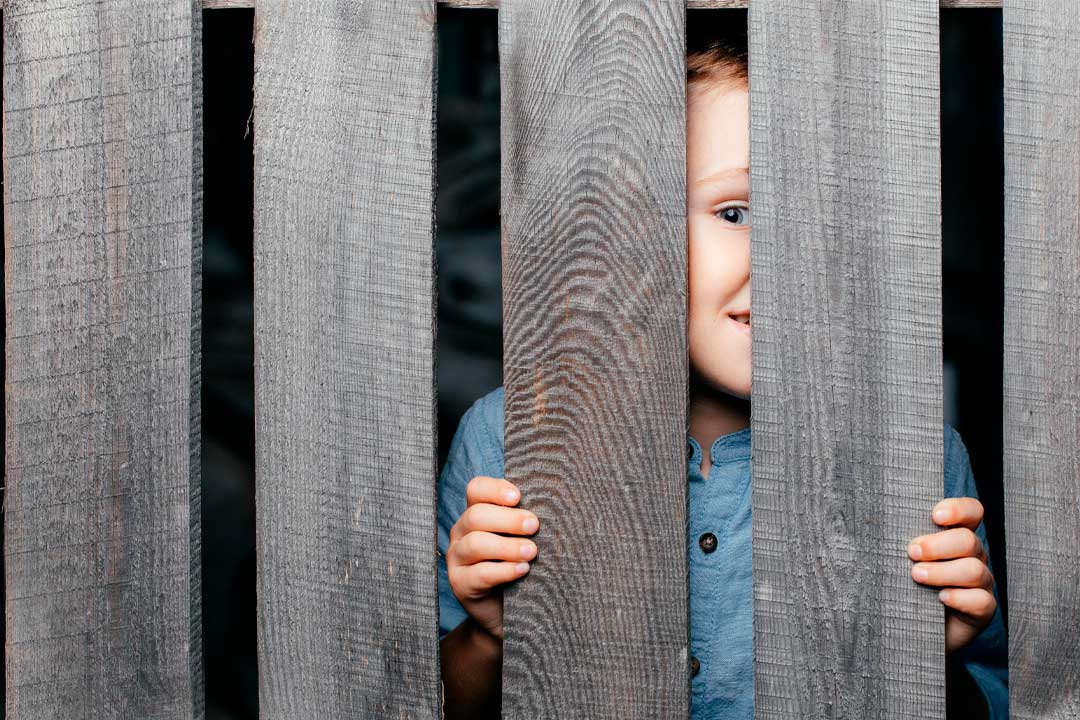
Understanding Autism Elopement and Why Fencing Matters
Elopement isn’t misbehavior—it’s often driven by fixation, sensory overload, or routine-following. It can happen without warning, even if your child usually stays close. Verbal reminders prove insufficient as sole protection.
A well-planned fence becomes part of layered safety including supervision and community awareness, not a standalone solution.
Key Features of an Autism Elopement Prevention Fence
1. Recommended Fence Height for Autism Safety
- Minimum 5–6 feet: Higher fences deter climbing attempts
- Consider individual abilities: Agile climbers may require taller installations
- Check local codes: Licensed contractors help balance safety with regulations
Goal: Make climbing difficult enough to provide protection and reaction time.
2. Best Fence Materials for Autism Safety
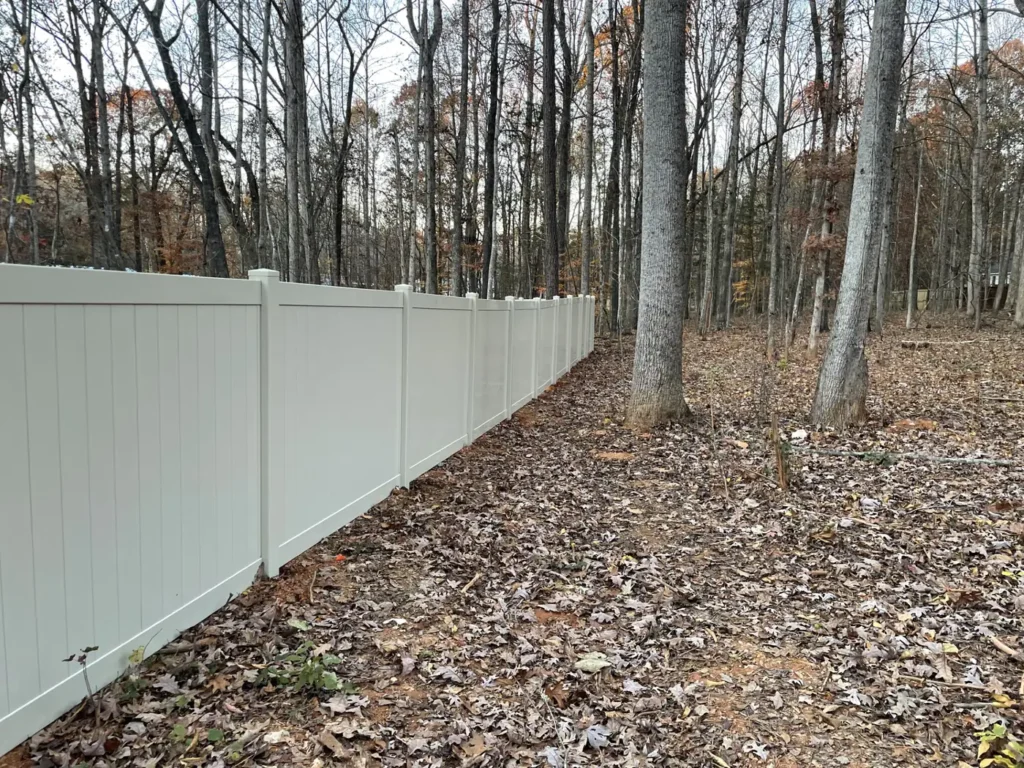
Vinyl (PVC) Fencing
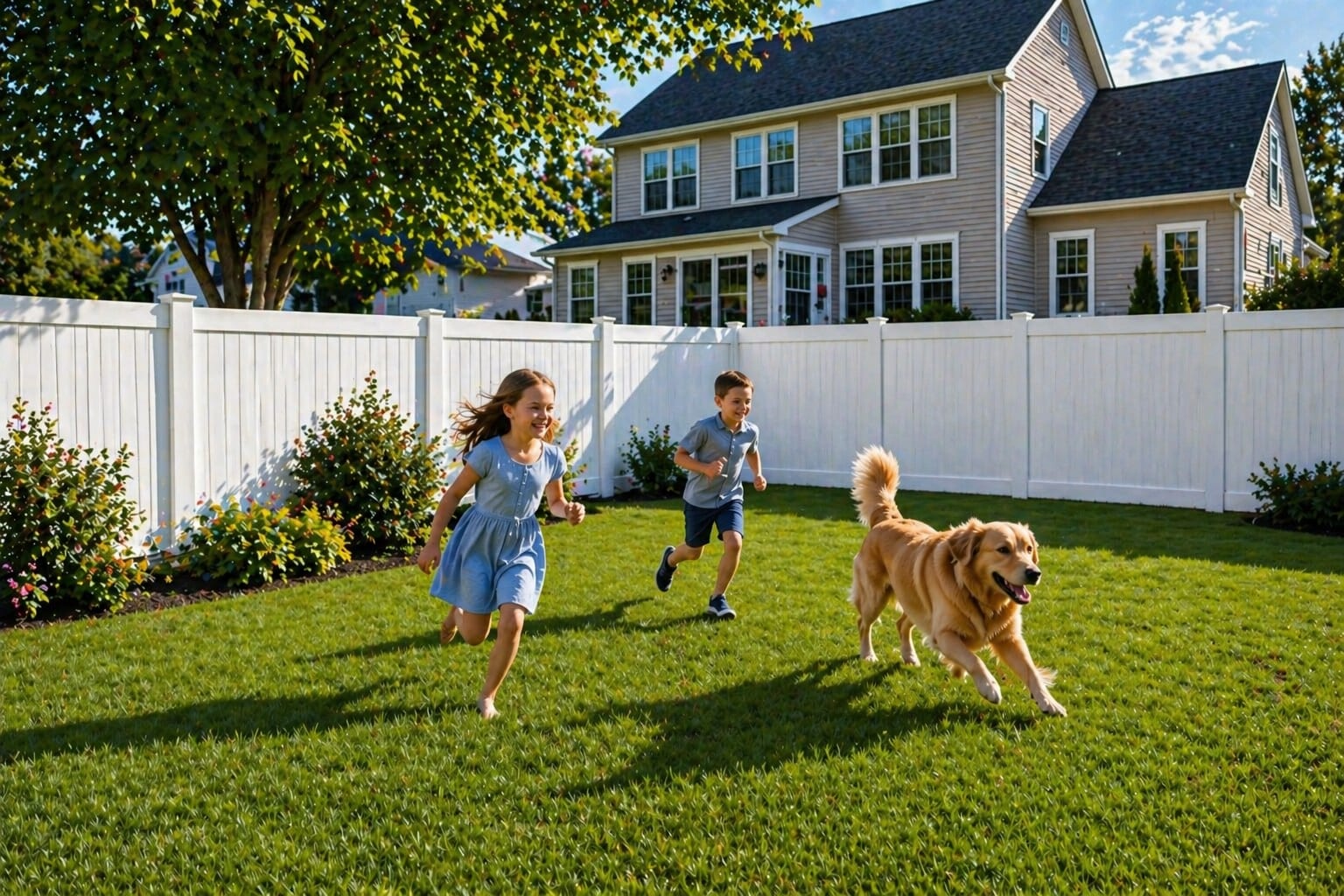
- Smooth surface resists climbing
- Low maintenance, no splinters
- Solid panels reduce visual distractions for sensory-sensitive children
Aluminum or Steel Fencing
- Durable and strong
- Narrow spacing prevents squeezing through
- Flat-top designs minimize footholds
Wood Fencing
- Solid construction works if tall enough
- Requires regular maintenance for board security
Climb-Resistant Design: Reducing Escape Opportunities
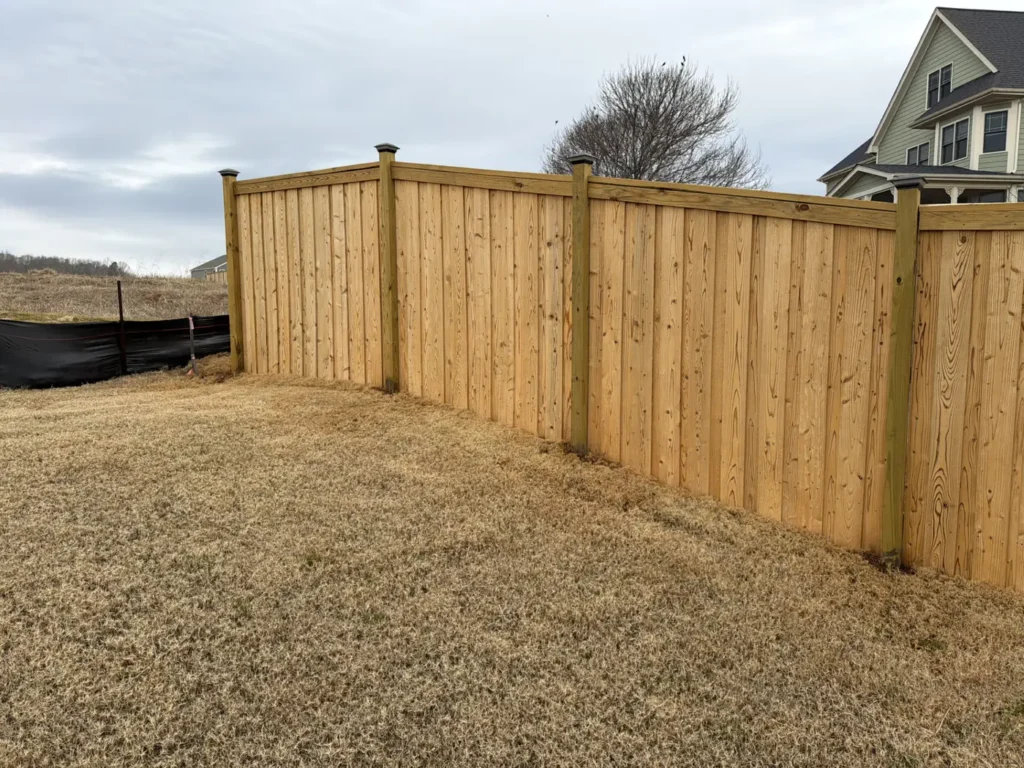
Key design elements:
- No horizontal rails on the child’s side—place rails externally
- Minimal footholds; avoid lattice tops or wide gaps
- Smooth, flush surfaces; tightly spaced vertical elements
- Secure bottom edge with no ground-level gaps
Gate Safety: Locks, Latches, and Alarms
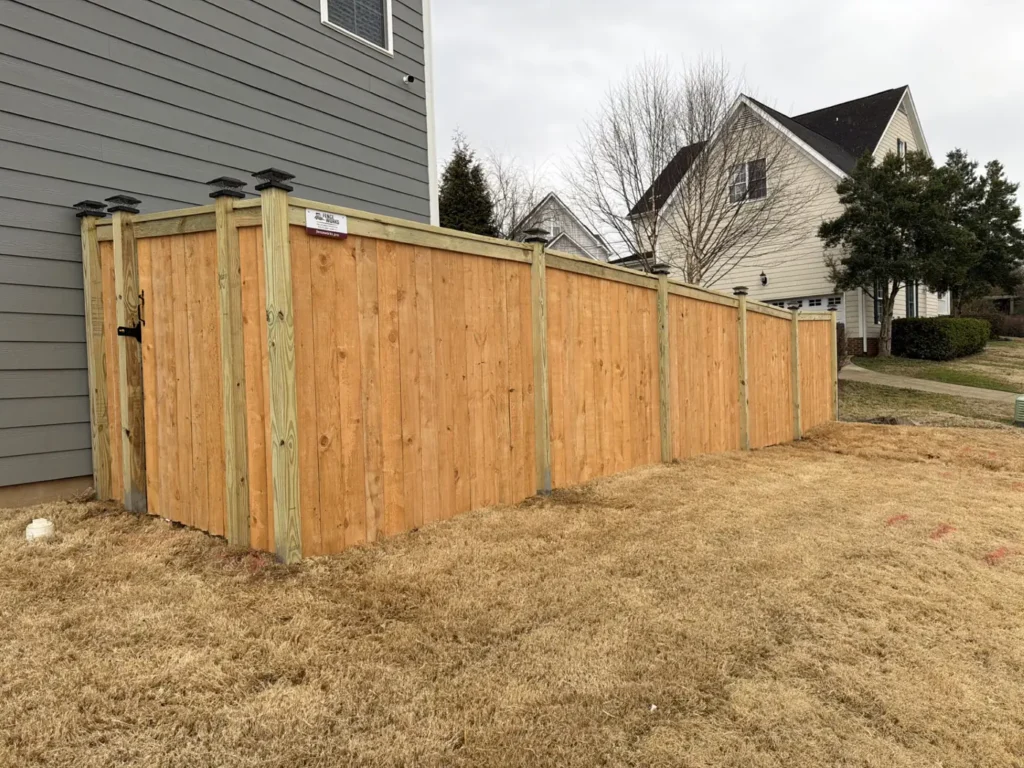
Gate Mechanisms
- Self-closing, self-latching hinges
- High-mounted latches out of reach
- Keyed or combination locks for problem-solvers
- Dual-action latches requiring coordinated movements
Additional Measures
- Visual stop signs or colored tape at gates
- Door/gate alarms for unexpected openings
- Remove furniture or structures near gates that could serve as steps
Visibility, Layout, and Sensory-Friendly Design
Solid fencing on sides facing traffic reduces sensory triggers, while strategic visibility allows supervision from windows and patios.
The Dake Foundation for Children recommends creating safe, predictable outdoor spaces with clear boundaries, quiet zones with shade, and minimized hazards like unsecured pools or street access. Consider creating smaller safe play zones within larger yards or additional fencing around water features.
Working with a Professional Fence Contractor
Choose contractors who hold licenses and insurance, have safety-focused experience, provide design consultations tailored to specific concerns, and deliver quality workmanship with transparent estimates.
Conclusion
Designing an elopement prevention fence balances safety and compassion. Prioritizing height, secure materials, climb-resistant design, and strong hardware—combined with thoughtful layout—creates a calming, protective outdoor space.
Families dealing with similar wandering concerns for older relatives may also find our guide to secure fencing for dementia care helpful. When you’re ready to plan a safer yard, Fence Works can design a climb-resistant fence and secure gates around your family’s needs. Contact our team today to request a free estimate.
FAQs About Autism Elopement Prevention Fences
What is the best fence height to prevent autism elopement?
Many families target 5–6 feet or higher depending on local codes and climbing ability. Taller fences deter scaling better than standard 4-foot options.
Which fence material is safest for children with autism?
No single material is universally best. Smooth vinyl, strong aluminum/steel, or solid wood with minimal footholds work well. The key is a climb-resistant, sturdy design.
How can I make my gate more secure?
Use self-closing hinges, mount latches high, add keyed locks, use alarms, and display visual stop signage.
Do I still need supervision if I have an autism elopement prevention fence?
Yes. Fencing is a crucial safety layer but not a replacement for supervision and comprehensive safety planning.
Can a fence be both safe and visually appealing?
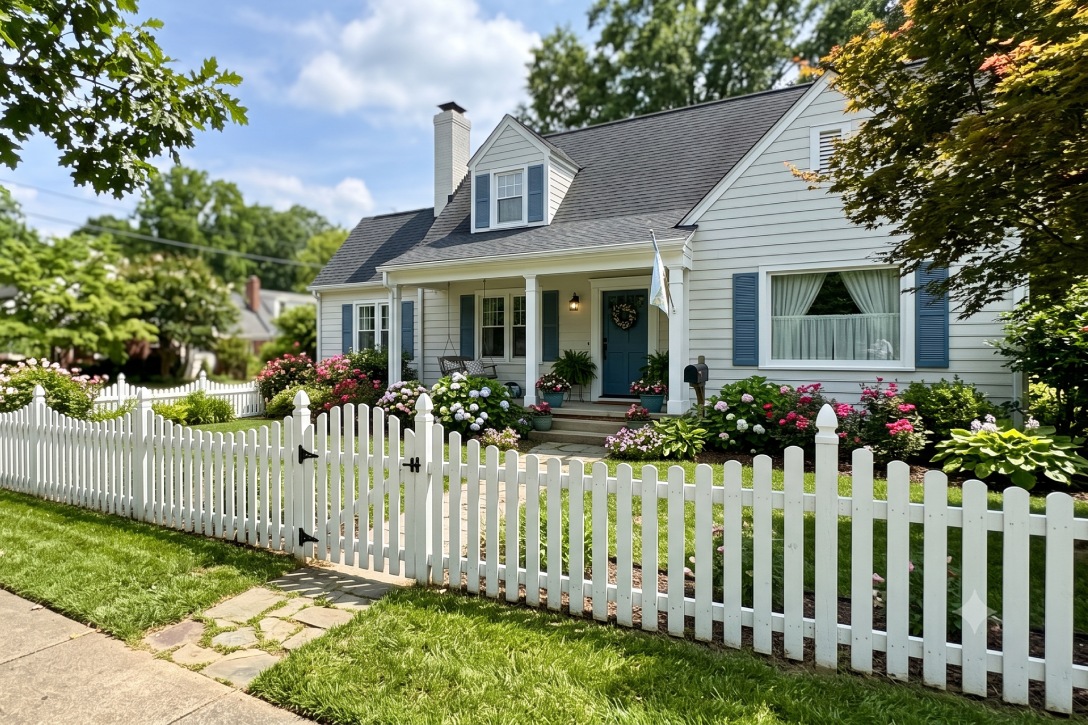
Absolutely. Custom design allows style and color choices that complement homes while prioritizing safety.