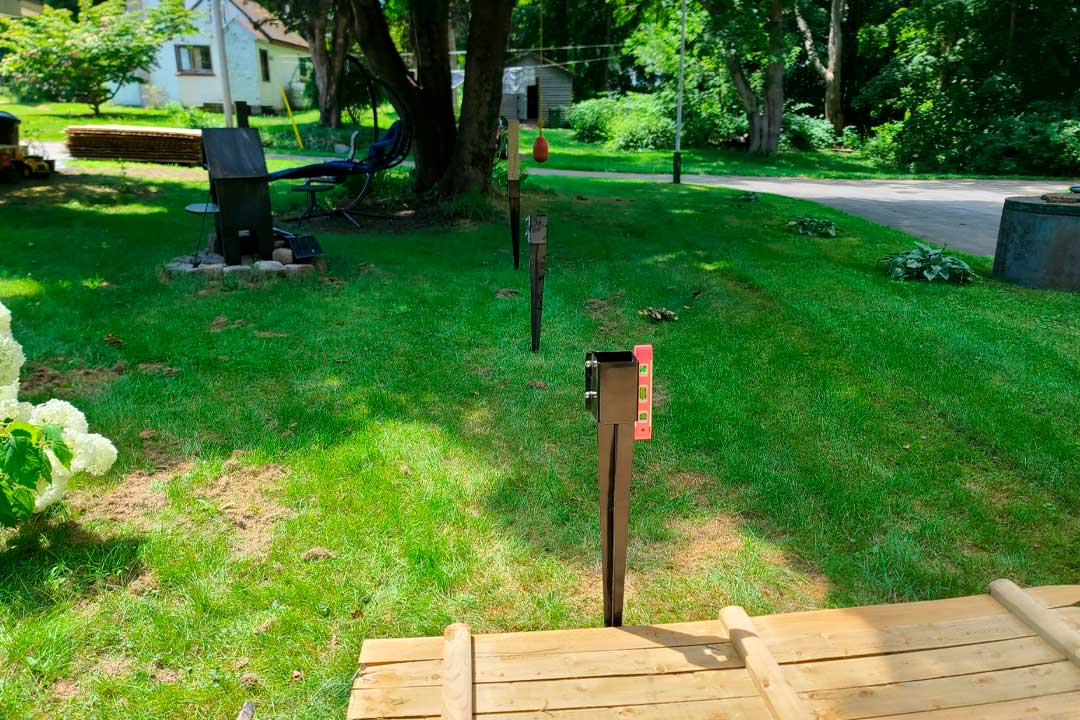

A fence is one of the first things a buyer sees and one of the last things they forget. Quality fence work can frame the yard, improve privacy and security, and signal how well the property has been maintained. It also answers questions buyers ask before they ever step inside: Is this yard private? Is it safe for kids and pets? Where does the property actually end? The honest answer to whether a fence raises your home’s value is that it depends on the fence, the neighborhood, and the buyer. But the factors that influence that value are well understood, and you can plan for each one.
Does a Fence Increase Property Value? An ROI Guide
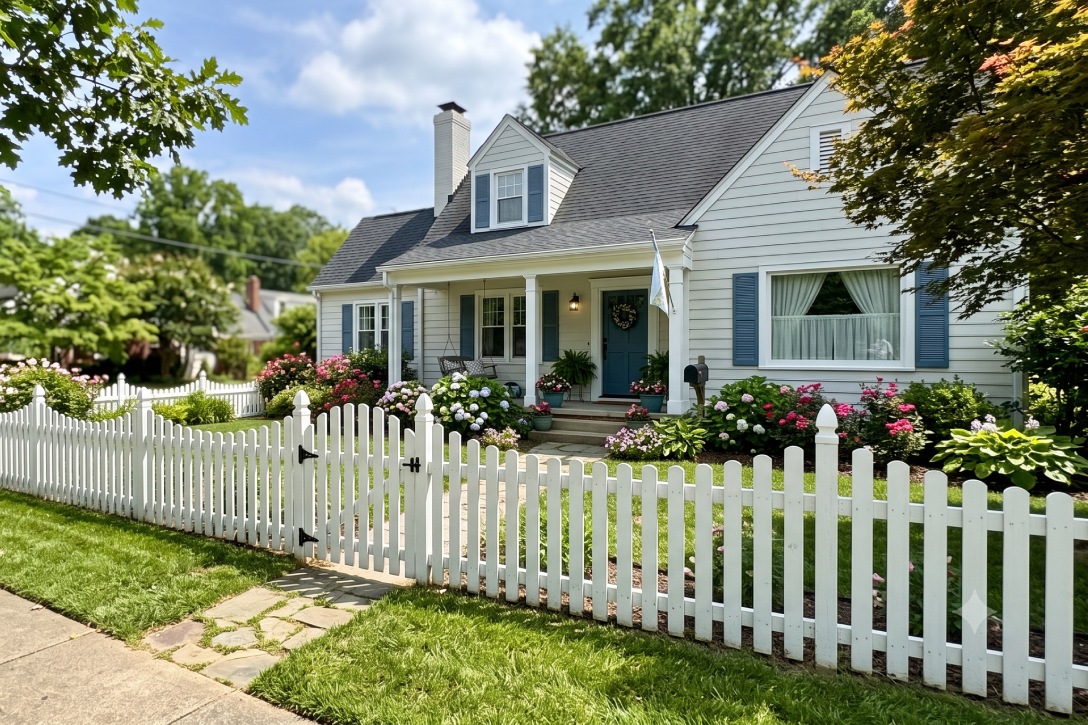
How Fences Fit Into Return on Investment
Most homeowners want to know exactly how much a fence will add to their home’s value. The truth is that no reliable national dataset assigns a fixed return to fencing the way it does to projects such as decks or patios. Any source promising an exact “fence ROI” percentage should be treated cautiously. What the research does show is that outdoor improvements can provide meaningful value to homeowners.
The return you get from a fence depends largely on two factors: buyer demand and condition. Buyer demand reflects how much prospective homeowners want the privacy, security, pet containment, or defined outdoor space a fence provides. Condition determines whether the fence looks like an asset or a future expense. Clean, well-built fence work can support a home’s appeal, while a leaning, mismatched, or rotting fence can give buyers a reason to negotiate for a lower price.
For context, the National Association of Realtors found that homeowners recover an estimated 89% of the cost of a new wood deck and 95% of a new patio at resale. At the other end of the scale, an in-ground pool recovers an estimated 56% of its cost, and only 1% of Realtors recommend adding one before selling. Fencing isn’t tracked separately in that report, but the pattern is useful: functional outdoor features that buyers commonly expect can have stronger resale appeal than expensive features with a narrower audience.
An expertly installed fence fits into that functional category. The right fence can provide practical benefits while also improving the appearance of the property.
That distinction matters when you’re deciding how much to spend. A fence that solves an everyday problem for many buyers can be a more broadly appealing investment than one built to a highly personal specification that only a small group of buyers would want.
If the upfront cost is holding you back, it doesn’t necessarily have to be paid all at once. Fence Works offers flexible payment plans through Avvance, including options as low as 0% interest on approved credit. Financing is offered through U.S. Bank, subject to applicable terms and approval.
Why Buyers Care: Curb Appeal and First Impressions
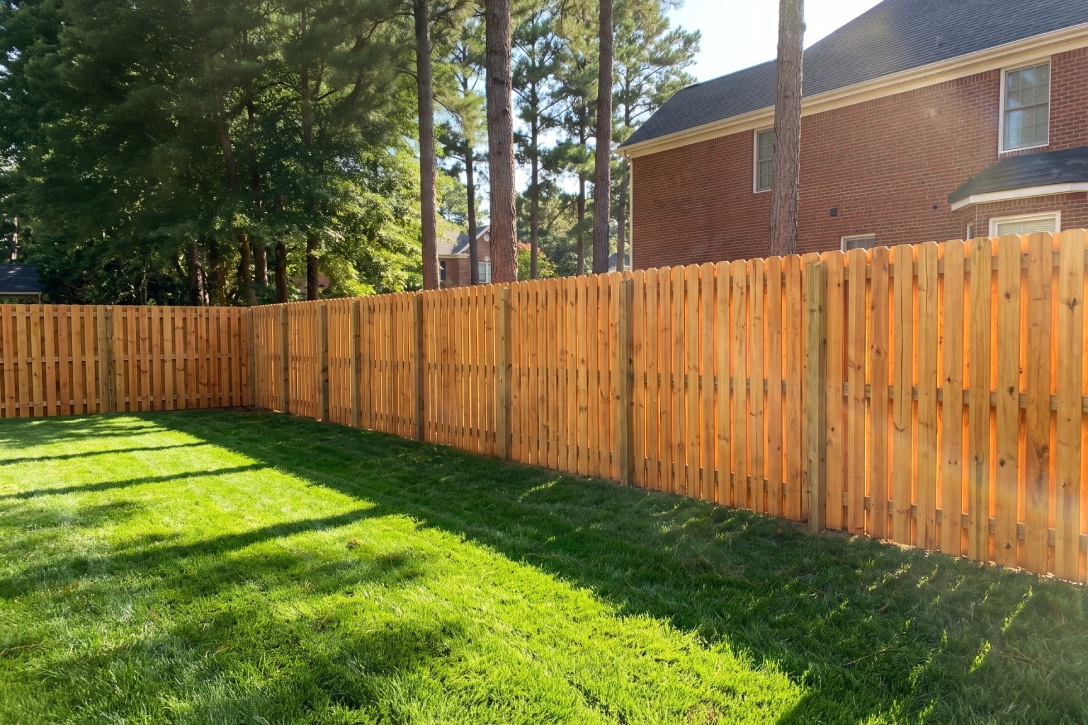
Curb appeal can influence whether a fence adds value because it shapes a buyer’s impression of the entire property before they see the inside.
The evidence comes directly from real estate professionals. According to the National Association of Realtors’ outdoor features research, 92% of Realtors have suggested that sellers improve their curb appeal before listing a home. In addition, 97% of NAR members believe curb appeal is important in attracting a buyer, while 98% believe it matters to buyers.
A fence contributes to that first impression in a way few other exterior features can. It defines the property line, frames the yard, and can make the entire outdoor space look more finished and maintained.
Perceived value follows a similar pattern. A Virginia Cooperative Extension review of multi-state research found that upgrading a home’s landscape from average to excellent can increase its perceived value by an estimated 10% to 12%. A fence isn’t landscaping, but it works alongside the lawn, plants, hardscaping, and other exterior features to create the overall impression buyers form when they first see a home.
Fresh landscaping can lose some of its impact when it’s surrounded by a sagging or damaged fence. By contrast, a straight, clean fence line can make the entire property look more intentional. See the Fence Works project gallery for examples of how professionally installed fences can transform an outdoor space.
What Adds the Most Value: Material, Fit, and Timing
Not every fence delivers the same resale benefit. Three factors can make a significant difference.
- Fit with the neighborhood. A fence that matches what buyers in your area expect can enhance the property’s appeal. One that is dramatically out of step with surrounding homes may have the opposite effect. Resale appeal is influenced by buyer expectations, so consider what fits the property and neighborhood rather than choosing solely according to personal taste.
- Material and condition. The material matters, but its condition and suitability for the property matter just as much. Durable, well-maintained materials can make a home look move-in ready, while visible damage or deterioration can make buyers anticipate additional expenses.
- Timing. A fence can provide the most immediate resale benefit when it is already installed and established before the home goes on the market. Buyers can see and use the finished feature rather than having to budget for the project themselves.
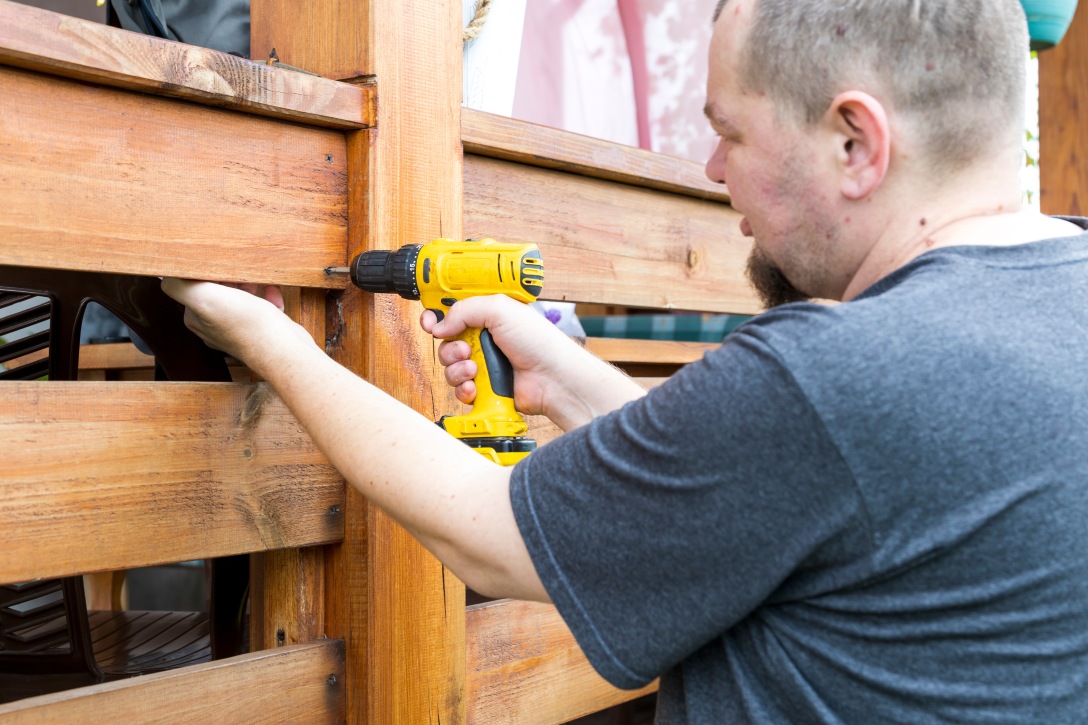
There’s another important consideration: quality of installation. Professional fence work with properly set posts, secure gates, straight lines, and appropriate materials can help a fence maintain its appearance and function over time. A rushed installation may begin leaning, shifting, or deteriorating sooner, reducing the long-term value of the improvement.
If you’re considering a new installation, explore Fence Works’ fencing solutions to see the types of fence projects available for different properties and needs.
A fence rarely guarantees that you’ll recover more than you paid for it. What it can do is make a home more attractive, functional, and appealing to potential buyers. In a competitive real estate market, those benefits can matter.
What to Consider Before Installing a Fence
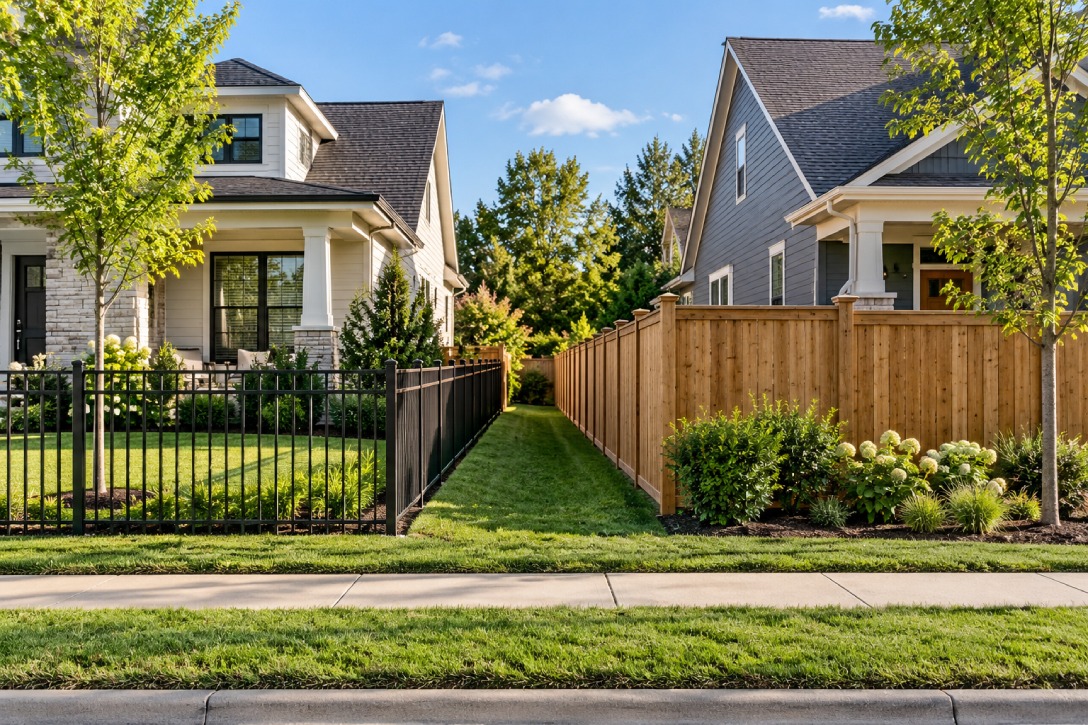
A fence can increase a home’s appeal and potentially contribute to property value when it improves curb appeal, fits the neighborhood, and remains in good condition. There is no reliable fixed percentage for fence ROI, so homeowners should be cautious of claims promising a guaranteed return.
What the research does support is clear: buyers place significant importance on first impressions and curb appeal, while functional outdoor improvements can make a property more attractive. A well-built fence can contribute to both by improving privacy, defining the yard, supporting security, and creating a more finished exterior.
If you’re considering fence work to prepare your home for sale—or simply want to enjoy a better outdoor space while you live there—Fence Works can help you choose an option that fits your property, neighborhood, and budget. Request a free fence quote to get started.