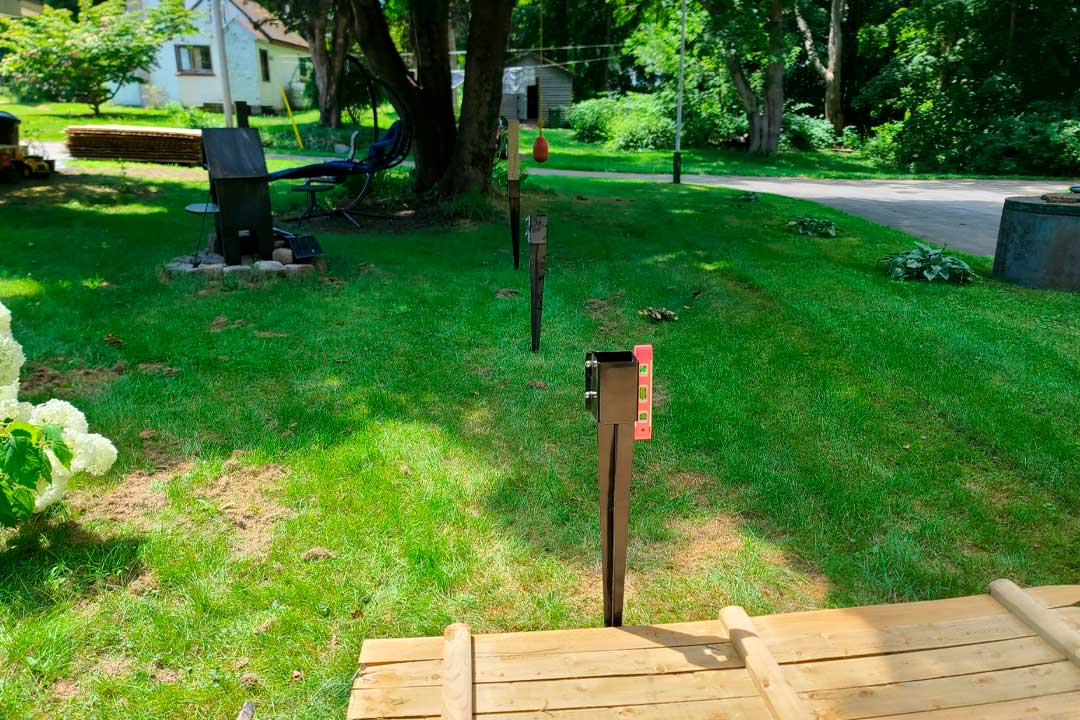

If you garden in North Carolina, you already know deer are part of the deal. They browse yards and gardens across the state, and a good fence is the one reliable way to keep them out. The trouble is that there’s a lot of conflicting advice about what a deer fence needs. Here’s a clear look at what keeps deer out of an NC garden, what doesn’t, and why.
Best Deer-Proof Fences for NC Gardens
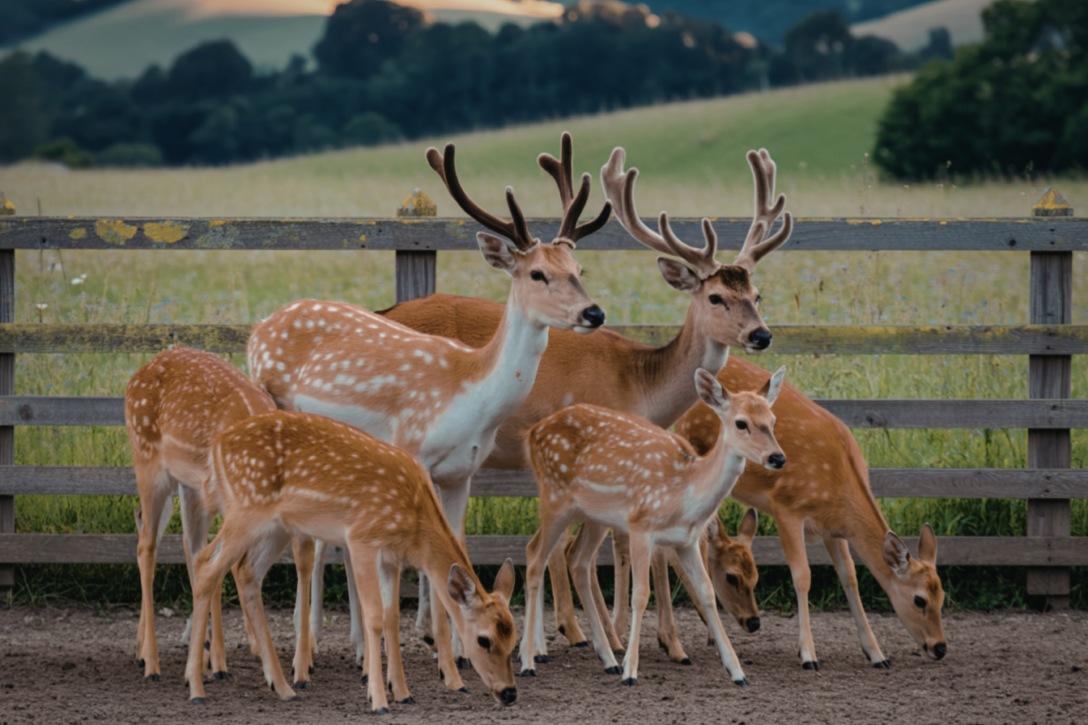
How High Does a Deer Fence Need to Be?
Height matters when it comes to deterring deer from the feast that is your garden. The North Carolina Wildlife Resources Commission reports that an adult deer can easily jump 7 feet or higher. A 4-foot fence can cut down browsing around a single tree or shrub, but it won’t protect an open garden.
To actually keep deer out, the state’s guidance is clear: a deer-proof fence built from strong wire (woven wire or chain link) should stand 8 feet or taller. That isn’t just a North Carolina figure. Iowa State University Extension, drawing on wildlife research, gives the same 8-foot minimum, and says the fence has to reach the ground so deer can’t slip underneath.
If you’d rather build with wood, vinyl, or masonry, the Wildlife Resources Commission suggests going higher, to a minimum of 10 feet, since a deer can sometimes clear a solid 8-foot fence. When you’re unsure, the taller fence is the safer choice.
Here is how the common options line up:
| Fence type | Recommended height | Best for |
|---|---|---|
| Woven wire | 8 ft (up to 9–10 ft with top wires) | Year-round protection, heavy deer pressure |
| Chain link | 8 ft or taller | Durable, secure, long-term exclusion |
| Solid wood, vinyl, or masonry | 10 ft minimum | Privacy plus a deer barrier |
| Short fence (single plants) | 4 ft | Preventing light browsing around one tree or shrub |
The Most Effective Deer Fence Materials
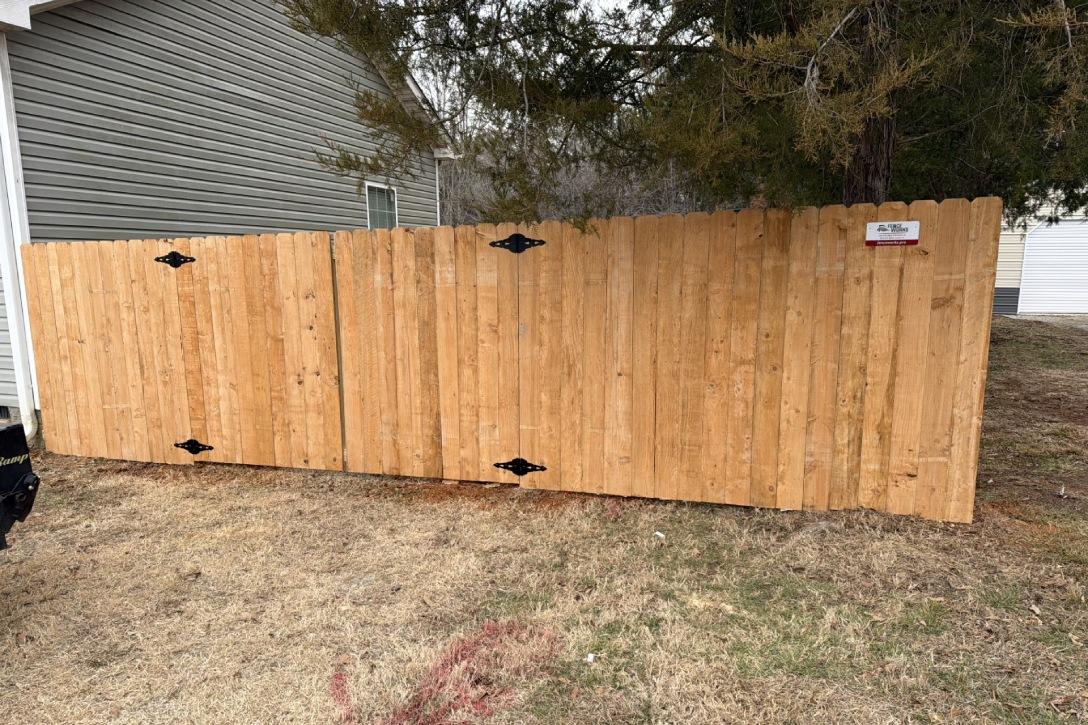
Once the height is right, the material decides how long the fence lasts and how well it stands up to pressure. A few options are worth knowing.
- Woven wire is the single most effective option, according to the Wildlife Resources Commission. It’s made for year-round protection under heavy deer pressure, lasts for decades, and is easy to maintain. It costs more at the start, but that one-time cost can buy years of deer-free gardening.
- Chain link is the other material the state recommends for building a true deer-proof barrier, as long as you build the fence 8 feet or taller. This material is durable, secure, and familiar to most homeowners.
- Solid wood, vinyl, or masonry is the choice when you want privacy and a finished look along with a deer barrier. These cost the most to build and need to be at least 10 feet tall, but they are also the most permanent and have the best curb appeal.
One thing to avoid: slatted fences with gaps between the boards or rails. Deer can squeeze through small gaps in that kind of fence, so whatever material you choose needs to close off openings at the ground and up top.
If you only need protection for part of the year, a temporary electric fence is another route the Wildlife Resources Commission suggests. It doesn’t form a solid wall; instead, it teaches deer to keep their distance through a mild shock, and it can be put up and taken down as the growing season demands. It takes regular upkeep to stay effective, so it suits gardeners who don’t mind the maintenance.
Building It Right: Designs, HOA Rules, and Installation
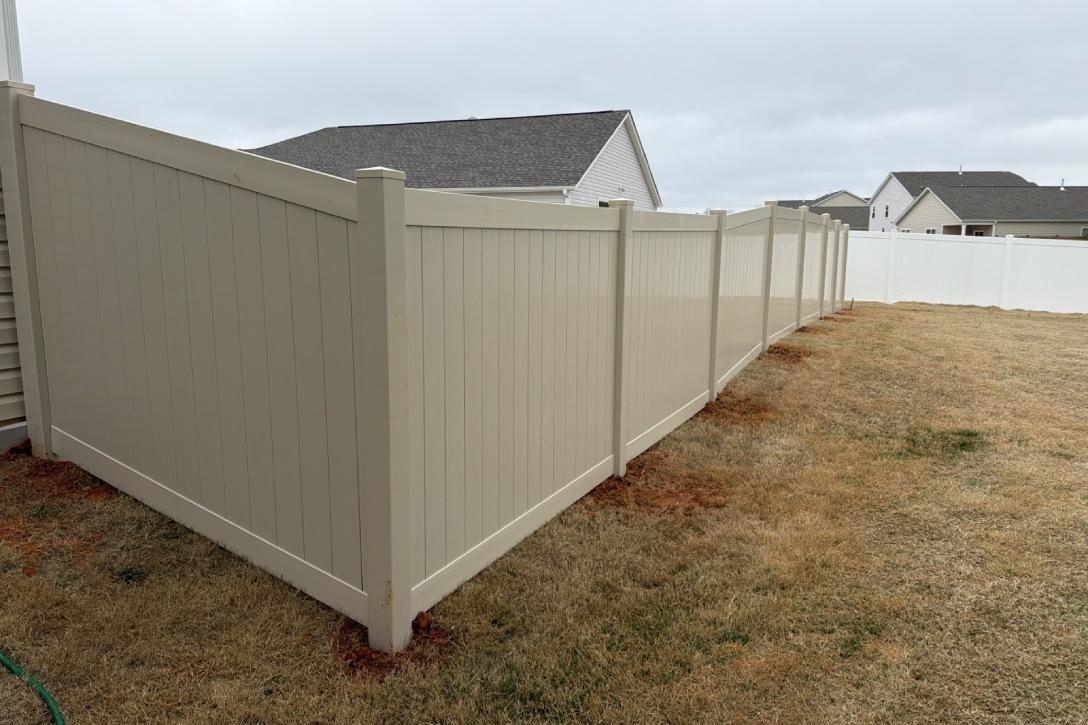
Not every NC yard has room for an 8-foot fence, and some HOAs cap how tall a fence can be. There’s a design that works around that, and it comes down to how deer see.
Deer are reluctant to jump a barrier when they can’t judge the space on the other side. The Wildlife Resources Commission points to a double-fence design that uses this fact to your advantage: two shorter fences set about 5 feet apart. A deer won’t try to clear both at once, since it can’t judge the landing. A slanted, angled fence works the same way. Either layout lets you stay under a height limit and still keep deer out, though both take up more ground than a single tall fence. Check your HOA’s covenants before you build, since tall permanent fencing can be off-limits under local association rules.
Whichever design you land on, a few installation points can help you decide if it is a good choice or not:
- Seal the bottom. The fence has to meet the ground. Close off the base along the whole perimeter, and watch for uneven ground and low spots where a deer can push under.
- Give the gate the same height. Build the gate as tall and as tight as the fence itself.
- Set the posts deep. A deer-proof fence has to stand for years, so the posts need to be anchored deep enough to stay rigid. Plan on regular checks, too; the state advises inspecting a deer fence for damage and weak spots so small problems don’t become open doors.
Get the height, tension, ground seal, and gate right the first time, and you’ve got a fence that keeps deer out for the long term. That’s the part Fence Works takes off your plate: a clear estimate up front, a fence built right from first measurement to final walkthrough, and a clean site when we leave. For anything past a very small garden, the state suggests working with a fencing contractor so the fence is built right and lasts. You can see the fencing solutions we build and look through finished projects in our gallery to see what might suit your yard.
Choosing the Right Deer Fence for Your Garden
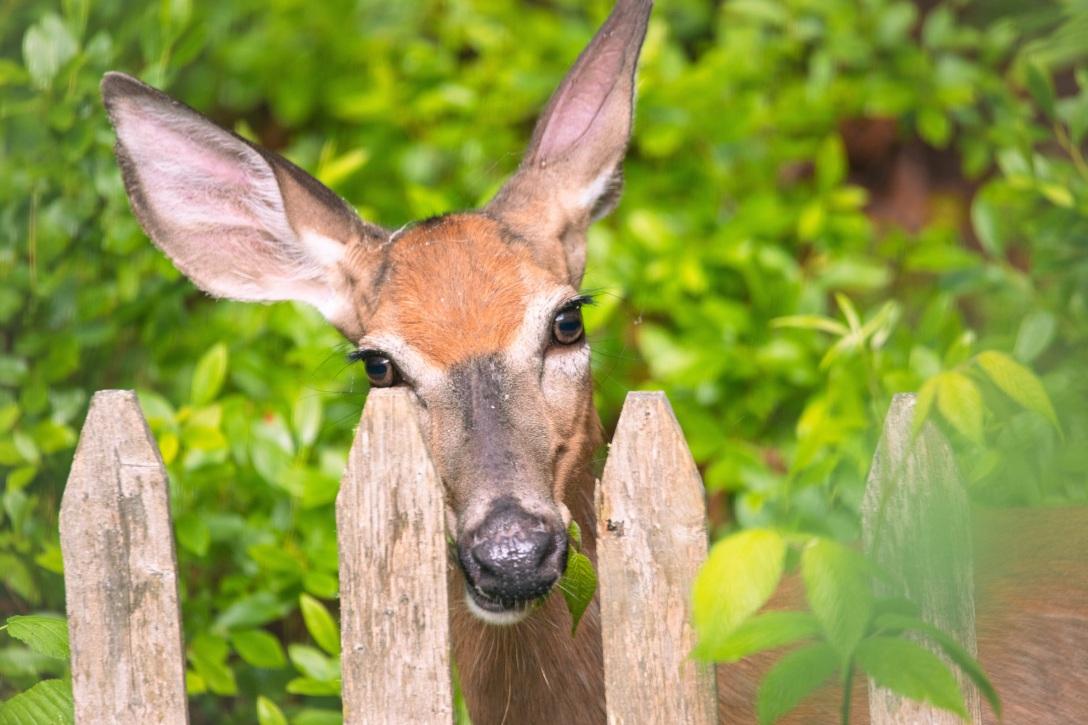
The best deer-proof fence for a North Carolina garden stands at least 8 feet tall, built from woven wire, chain link, or a solid material at 10 feet, and installed with no gaps at the top, bottom, or gate. Where height or space is tight, a double or slanted fence uses a deer’s poor depth perception to keep them out at a lower height. Whichever you choose, how well it’s built matters as much as the design.
Deer fencing shouldn’t be a guessing game. If deer are getting the better of your garden, Fence Works can help you sort out the right height, material, and design for your yard and your local deer pressure, then build it right the first time. Request a free quote whenever you’re ready.