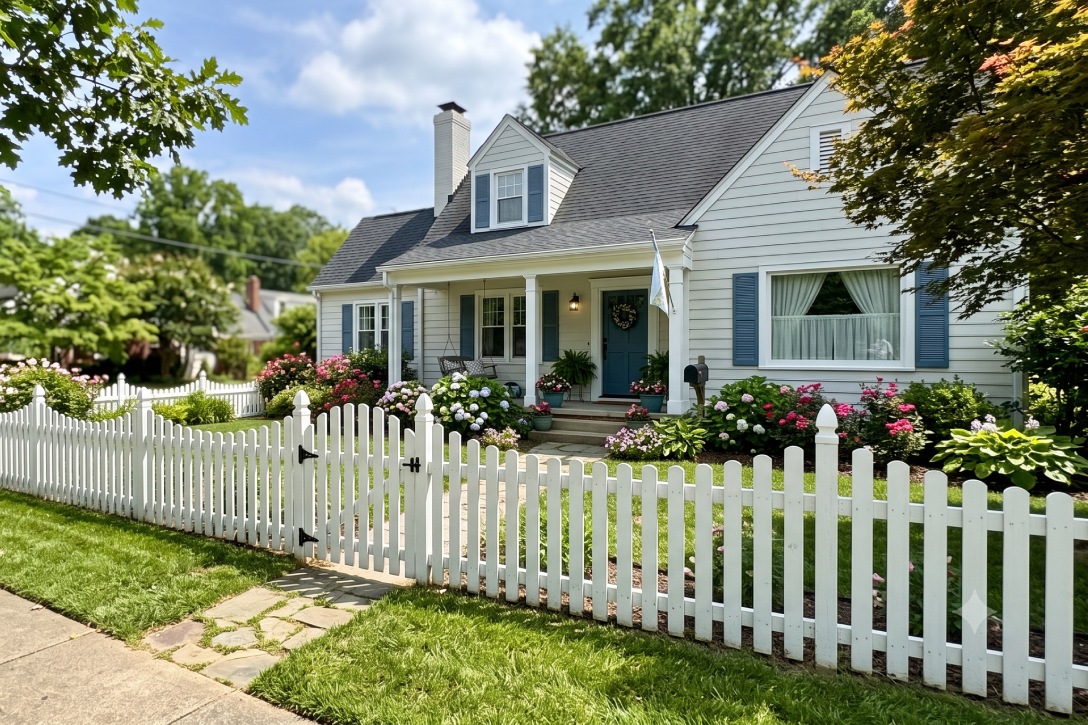

A successful fence installation starts long before the first post goes into the ground.
Plan Your Project: How to Measure & Budget for Fencing
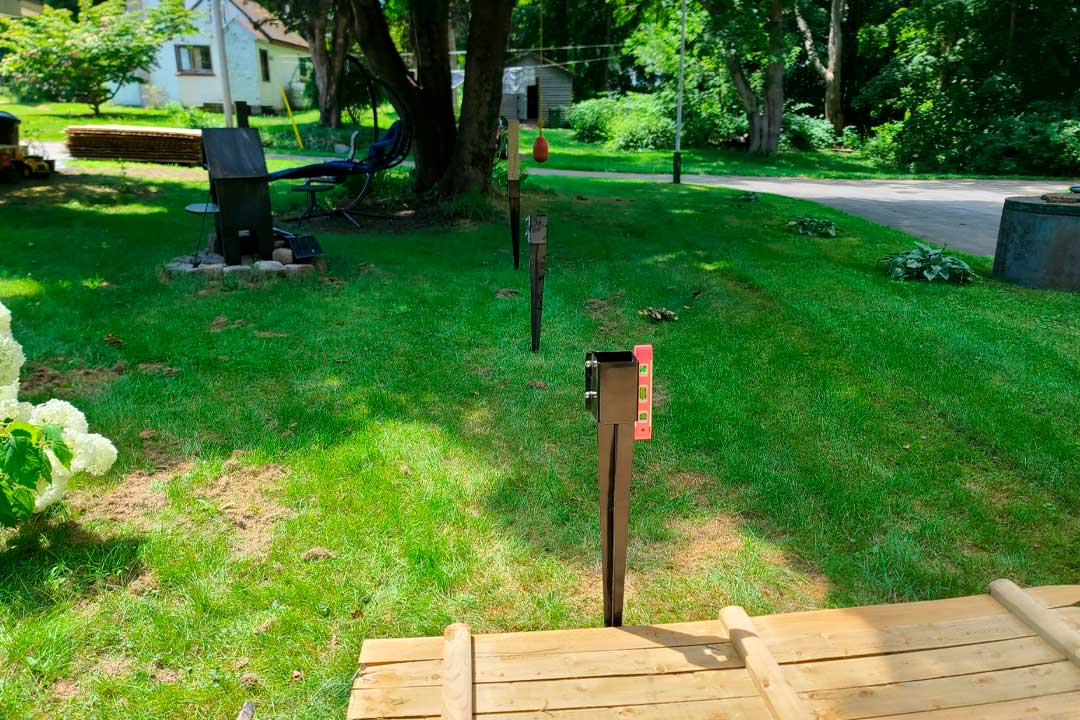
Whether you are adding privacy to a backyard, improving security around a commercial property, or defining boundaries on a larger piece of land, accurate planning makes the entire project easier to manage.
Fence planning calculations help property owners avoid some of the most common installation problems, including material shortages, inaccurate budgets, and delays caused by poor site preparation. Taking the time to measure properly, estimate materials correctly, and understand installation costs can save both time and money while helping the finished fence perform the way it should for years to come.
This guide walks through the essential steps involved in fence planning calculations so you can approach your next fence installation with confidence.
Start With Accurate Property Measurements
Every successful fence installation begins with accurate measurements. Without a clear understanding of your property’s dimensions, it becomes difficult to estimate material quantities, labor needs, or total project costs.
Incorrect measurements often lead to:
- Ordering too few materials
- Overspending on unnecessary supplies
- Delays during installation
- Fence placement issues near property lines
Careful measuring creates a solid foundation for the rest of the project planning process.
Why Measurement Accuracy Matters
Fence planning calculations rely heavily on linear footage. Even small measuring mistakes can affect the number of panels, posts, rails, and hardware needed for the project.
A professional property survey can also help eliminate uncertainty when property lines are unclear. This is especially important for fences installed near neighboring lots or shared boundaries.
Before beginning your fence installation, it helps to gather:
- Property survey documents
- Site plans
- Measuring wheel or tape
- Stakes and marking flags
- Notebook or digital layout app
How to Measure Your Fence Line
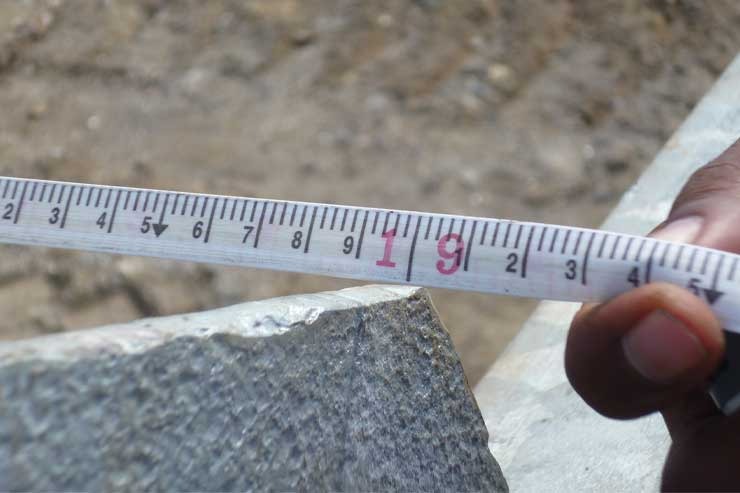
A step-by-step approach helps simplify fence planning calculations and reduces the risk of errors later.
Basic Fence Measurement Process
| Step | Purpose |
|---|---|
| Walk the perimeter | Identify the planned fence route |
| Mark corners with stakes | Define fence transitions and angles |
| Measure each section separately | Improve accuracy on irregular layouts |
| Record gate locations | Account for openings and hardware |
| Note terrain changes | Prepare for elevation adjustments |
Digital mapping tools can help estimate large areas quickly, but manual measurements usually provide greater accuracy for fence installation projects.
Identify Obstacles Before Installation Begins
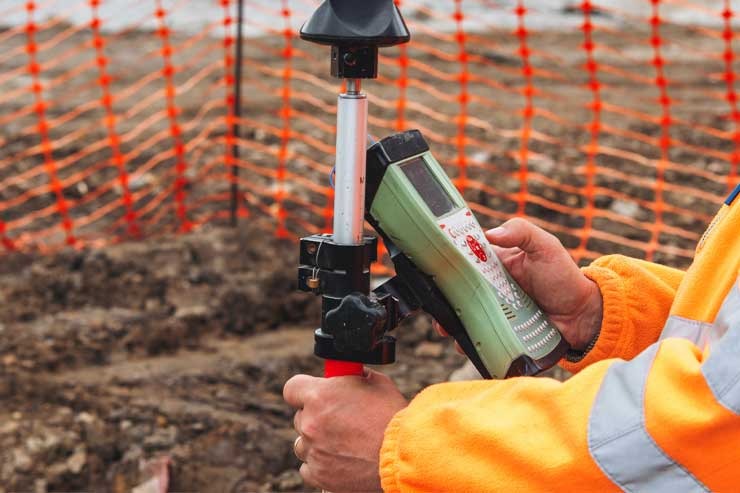
One of the most overlooked parts of fence planning calculations is accounting for obstacles along the fence line. Trees, slopes, utilities, and existing structures can all affect installation methods and material requirements.
Walking the property carefully beforehand helps prevent costly surprises later. The most common site challenges include the following:
Trees and Landscaping
Large roots may interfere with post placement. In some cases, fence sections may need slight adjustments to maintain structural stability.
Slopes and Elevation Changes
Uneven terrain may require:
- Stepped fencing
- Racked panels
- Additional posts
- Custom installation methods
These adjustments can increase labor and material costs.
Underground Utilities
Before any digging begins, contact local utility locating services (NC 811 in North Carolina) to identify buried lines. Utility strikes can create dangerous conditions and major repair expenses.
Existing Structures
Driveways, retaining walls, sheds, and patios all influence fence layout and spacing requirements.
Document Your Fence Planning Calculations
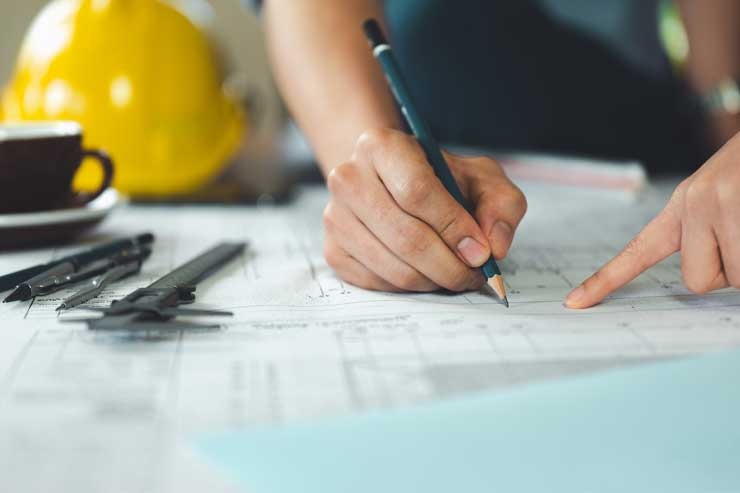
Keeping organized records simplifies material ordering and contractor discussions.
A basic property sketch should include:
- Total fence length
- Corner locations
- Gate openings
- Elevation changes
- Utility markings
- Obstacle locations
Professional installers often recommend adding approximately 10% extra to material calculations to account for cutting waste, measurement adjustments, and future repairs.
Estimating Materials for Fence Installation
Once measurements are complete, the next step is to convert those numbers into actual materials.
Fence planning calculations become especially important here because every fence type uses different components, spacing requirements, and installation methods.
Comparing Common Fence Materials
Different fencing materials offer different advantages depending on the property and project goals.
Popular Fence Material Options
| Material | Advantages | Maintenance Level |
|---|---|---|
| Wood | Natural appearance, privacy, versatility | Moderate |
| Vinyl | Low maintenance, weather resistant | Low |
| Aluminum | Durable, decorative, rust resistant | Low |
| Chain Link | Cost-effective, functional security | Low |
| Steel or Iron | High security, strong appearance | Moderate |
Wood fencing remains a popular option for residential privacy and curb appeal. Pressure-treated pine offers affordability, while cedar provides improved resistance to moisture and insects.
Vinyl fencing appeals to property owners looking for long-term durability with minimal upkeep.
Calculate Core Fence Components
Fence installation requires more than just panels. Accurate fence planning calculations should include every major component needed to complete the project.
Typical Material Checklist
- Fence panels or pickets
- Posts
- Corner posts
- Gate posts
- Rails
- Fasteners and brackets
- Concrete for post setting
- Gate hardware and hinges
- Caps or decorative trim
Most standard fence layouts use one post per panel section, plus reinforced posts at corners and gates.
Material Calculation Example
The following example shows how fence planning calculations typically work for a simple residential layout.
| Fence Component | Example Calculation |
|---|---|
| Total fence length | 200 linear feet |
| Panel width | 8 feet |
| Panels needed | 25 panels |
| Posts needed | 26–28 posts |
| Gates | 2 |
| Concrete bags | Based on post depth and diameter |
Adding a small material buffer helps prevent delays if adjustments become necessary during installation.
Understanding Fence Installation Costs
After completing fence planning calculations for materials, the next step is building a realistic project budget.
Fence installation costs vary based on:
- Fence material
- Property size
- Terrain conditions
- Labor rates
- Gate requirements
- Permit fees
Understanding these variables early helps avoid budget overruns later.
Main Factors That Affect Fence Costs
Several key factors play a role in the overall cost of fence installation.
Material Selection
Fence material often represents the largest portion of the project budget.
For example:
- Standard wood fencing generally costs less upfront
- Premium vinyl or ornamental metal fencing costs more initially but may reduce maintenance costs long-term
Labor Costs
Professional fence installation typically includes:
- Site preparation
- Post digging
- Concrete setting
- Fence alignment
- Gate installation
- Cleanup
Labor commonly accounts for at least 25% of total project costs.
Site Conditions
Rocky soil, steep grades, root systems, or existing fence removal can increase installation time and labor expenses.
Permits and Surveys
Some municipalities require permits before fence installation begins. Property surveys may also be necessary to confirm boundary lines.
Creating a realistic budget helps property owners stay in control throughout the project.
Typical Budget Categories
| Expense Category | What It Includes |
|---|---|
| Materials | Panels, posts, hardware |
| Labor | Installation crew and equipment |
| Permits | Local approval fees |
| Surveying | Property line verification |
| Site Prep | Clearing and grading |
| Contingency | Unexpected expenses |
Most residential fence installation projects fall somewhere between moderate and higher investment ranges depending on material selection and site complexity.
DIY vs Professional Fence Installation
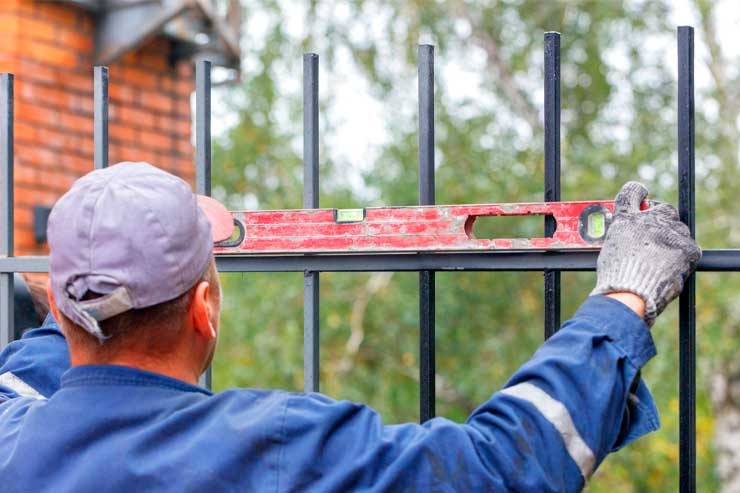
Some property owners consider handling fence installation themselves to reduce labor costs. While this may work for straightforward projects, more complex layouts often benefit from professional installation.
DIY Installation Challenges
- Maintaining straight fence lines
- Setting proper post depth
- Handling elevation changes
- Understanding local building codes
- Installing gates correctly
Improper installation can shorten fence lifespan and create costly repairs later.
Professional installers help ensure:
- Proper alignment
- Structural stability
- Correct spacing
- Efficient project completion
For larger or more complicated projects, professional fence installation often provides better long-term value.
Tips for Getting Accurate Contractor Quotes
Fence planning calculations also make it easier to compare contractor estimates fairly. The more detailed your measurements and project information are, the more accurate the quotes will be.
Before hiring a contractor, request:
- Itemized pricing
- Material breakdowns
- Labor estimates
- Warranty details
- Permit responsibilities
- Project timelines
It is also important to verify that contractors are licensed and insured before work begins.
Want a starting number before you request quotes? Use the Fence Works Design and Estimate tool to map out your fence line and get a budget estimate online.
Final Fence Planning Checklist
Before scheduling your fence installation, review the following checklist to make sure every major detail has been covered.
Fence Planning Checklist
- Confirm property measurements
- Verify property lines
- Identify obstacles and terrain changes
- Finalize fence material selection
- Calculate materials accurately
- Add contingency allowance
- Obtain permits if required
- Compare contractor estimates
- Review warranties and maintenance requirements
- Schedule installation timeline
Careful fence planning calculations create a smoother installation process from start to finish. Proper preparation helps reduce delays, control costs, and ensure the finished fence adds long-term value, security, and functionality to your property.
Professional Fence Installation You Can Count On
Fence Works provides custom fencing solutions designed for durability, security, and long-term performance. From wood and vinyl fencing to ornamental metal and chain-link installations, the team delivers professional craftsmanship tailored to residential, commercial, and industrial properties.
Whether you are planning a new privacy fence, perimeter security upgrade, or large-scale property enclosure, contact Fence Works to help simplify the process with experienced guidance, accurate fence planning calculations, and reliable fence installation services built to last.