Best Fence Heights for Large Dogs
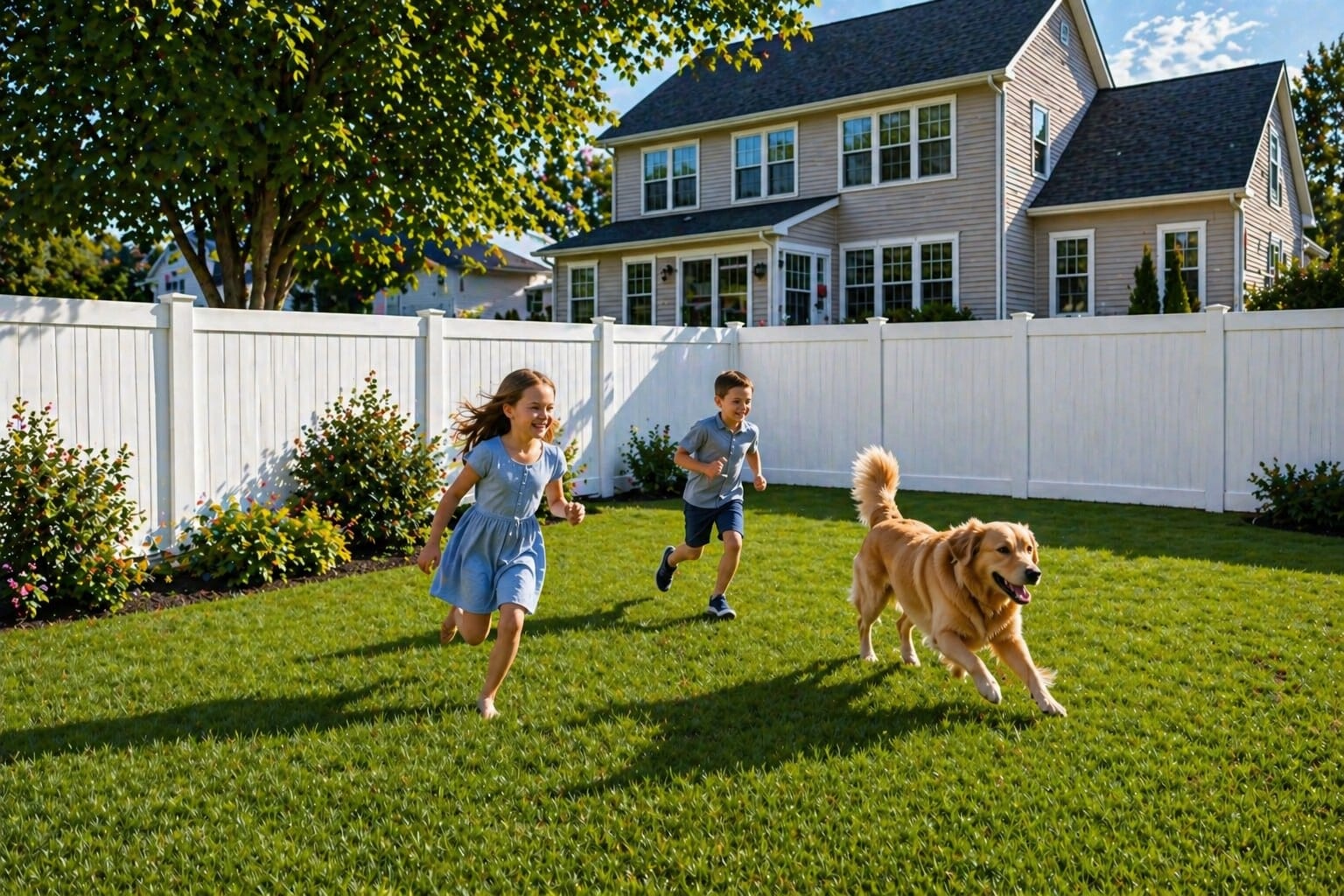
Large dogs need room to move. They need space to run, explore, and burn off energy. But they also need boundaries that keep them safe. For many homeowners, that’s where fencing becomes important.
A well-built fence gives your dog freedom to enjoy the yard while giving you confidence they won’t wander off or get into trouble. The important question most people ask early in the process is simple: how tall should the fence be?
The pet safe fence height depends on several factors: your dog’s size, athletic ability, the layout of your yard, and the type of fence being installed. Getting that decision right from the start makes a big difference in safety, durability, and long-term peace of mind.
This article walks through recommended fence heights for large dogs, the factors that influence those recommendations, and practical design choices that help prevent jumping or escaping.
The Benefits of a Secure Fence for Large Dogs
A well-built fence does more than outline your property. For dog owners, it creates a safer environment for pets while making everyday life easier for the household. When the fence is properly designed and installed, it provides several important benefits.
1. Safety From Outside Dangers
A secure fence helps protect dogs from hazards beyond the yard, such as traffic, wildlife, or unfamiliar animals. By creating a clear boundary, fencing keeps dogs safely contained where you can monitor them.
2. Freedom to Exercise
Large dogs need space to move. A fenced yard allows them to run, play, and explore without being on a leash every time they go outside. Regular activity supports both physical health and mental stimulation.
3. Peace of Mind for Homeowners
Knowing your dog can’t wander off brings real peace of mind. A properly built fence lets you open the back door and let your dog outside without constant worry about escapes or safety.
4. Fewer Issues with Neighbors
Dogs that roam freely can accidentally enter nearby yards or interact with other pets. A secure fence prevents those situations and helps maintain good relationships with neighbors.
5. Clear Boundaries for Training
Dogs learn boundaries quickly when the fence is consistent and reliable. Over time, most dogs begin to understand the limits of their space, which reduces attempts to escape or explore beyond the yard.
6. Long-Term Protection for Your Property
When installed correctly, fencing also protects landscaping, gardens, and outdoor areas by keeping dogs contained within a defined space. A sturdy fence ensures that both your yard and your pet stay where they belong.
Why Pet Safe Fence Height Matters More for Large Dogs
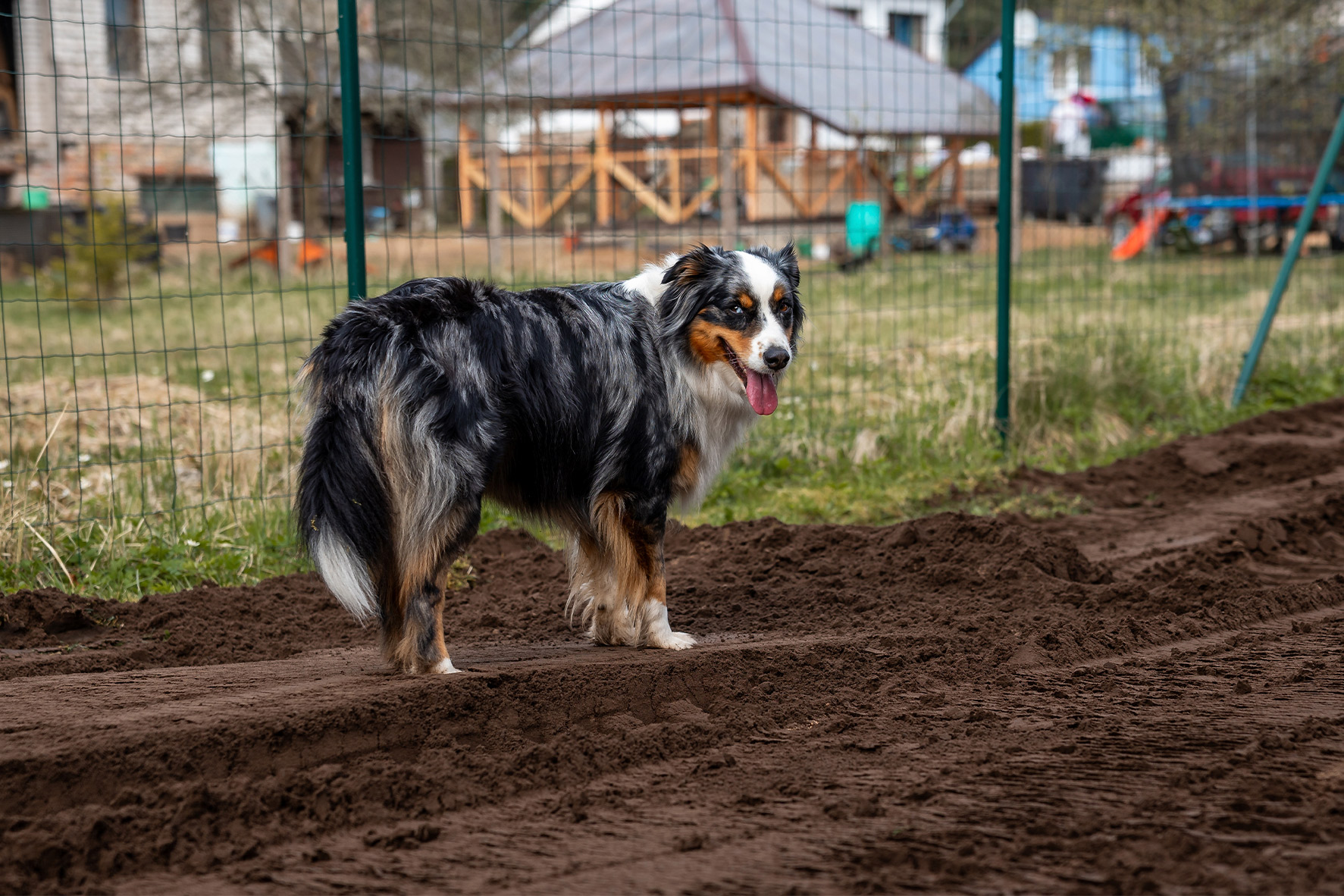
Large breeds are strong and often surprisingly athletic. Even dogs that appear calm or relaxed can jump higher than many homeowners expect.
A fence that’s too short doesn’t always fail immediately. In many cases, it works for months or even years until the day a dog gets excited by a passing animal, a delivery truck, or another dog across the street. That moment is often when escapes happen.
Choosing the correct fence height reduces those risks by creating a physical boundary that dogs can’t easily clear. Just as important, it removes the temptation to try. When a fence feels solid and secure, most dogs simply stop testing it.
Typical Pet Safe Fence Height Recommendations for Large Dogs
Most residential fences for large dogs fall between five and six feet tall. This range works well for the majority of breeds because it exceeds the natural jumping height of many dogs while still fitting comfortably within neighborhood guidelines.
Here’s how those recommendations generally break down.
Dog Type
Example Breeds
Recommended Fence Height
Why It Works
Large Family Dogs
Labrador Retrievers, Boxers
5–6 feet
High enough to discourage casual jumping
Athletic Working Breeds
German Shepherds, Dobermans
6 feet
Prevents most determined jump attempts
High-Energy Escape Artists
Huskies, Belgian Malinois
6–7 feet
Extra height helps reduce successful escapes
Giant Breeds
Great Danes, Mastiffs
6 feet
Strength matters more than jumping ability
While these ranges are helpful, they’re not strict rules. Every dog has a different personality and energy level. Some never test a fence, while others look for weaknesses from the first day they enter the yard.
Factors That Determine the Pet Safe Fence Height
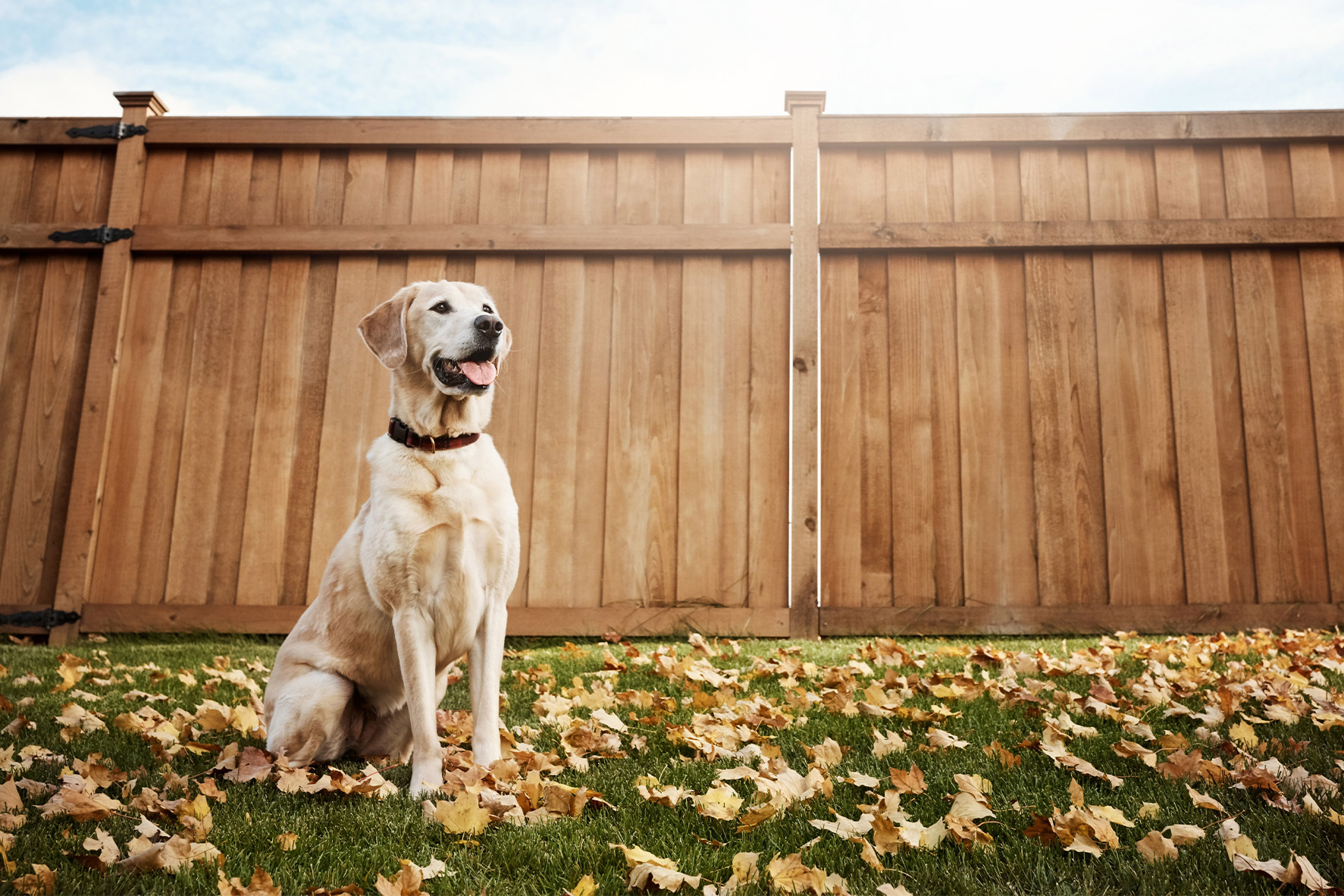
1. Breed and Jumping Ability Make a Difference
A dog’s athletic ability often matters more than its overall size. For example, a 70-pound herding breed may be able to jump higher than a much heavier giant breed. Dogs that were historically bred for agility, herding, or protection tend to be more capable jumpers.
Breeds commonly known for testing fences include Huskies, German Shepherds, Belgian Malinois, Border Collies, and Australian Shepherds. These dogs are intelligent, energetic, and naturally curious. If something interesting is happening outside the yard, they may try to investigate.
In those situations, a six-foot fence is usually the safest starting point, and in some yards, homeowners choose to go slightly taller.
2. Your Yard Layout Also Influences Fence Height
The surrounding environment can affect how likely a dog is to challenge a fence. Dogs are more motivated to jump when they frequently see activity just outside the boundary. Busy sidewalks, nearby dogs, wildlife, or street traffic can all trigger curiosity.
If your yard faces a high-activity area, a taller fence or a privacy design can help reduce those distractions. When dogs can’t see every movement outside the yard, they tend to stay calmer and more focused on their own space.
This is one reason many homeowners choose privacy fencing when they have large or energetic dogs.
3. Fence Design Plays a Bigger Role Than Many Expect
Height is important, but the overall design of the fence matters too. Certain styles unintentionally make climbing easier. Horizontal rails, wide spacing, or decorative crossbars can act like steps for an athletic dog.
Solid designs tend to discourage climbing and jumping. When the fence presents a smooth, uninterrupted surface, dogs are less likely to attempt scaling it.
The strength of the structure is just as important. Large dogs often lean against fences, run along the perimeter, or push against sections while playing. Panels and posts need to be strong enough to handle that pressure without loosening or shifting over time.
Materials That Work Well for Large Dog Fencing
Homeowners often choose fencing materials based on durability, appearance, and maintenance needs. When dogs are part of the equation, strength and containment become even more important.
- Wood privacy fencing is one of the most common choices. The solid panels block outside distractions and create a sturdy boundary that discourages jumping. When installed properly, wood fences are both durable and visually clean.
- Vinyl fencing offers a similar level of containment with minimal maintenance. The panels are smooth and difficult to climb, and the material holds up well against weather and everyday wear.
- Metal fencing, such as aluminum, can also work in certain yards. It provides a strong structure while maintaining visibility. However, it’s important to ensure picket spacing is narrow enough to prevent squeezing through.
No matter the material, the most important factor is how the fence is built. Check some of our fences here.
Why Proper Fence Installation Matters
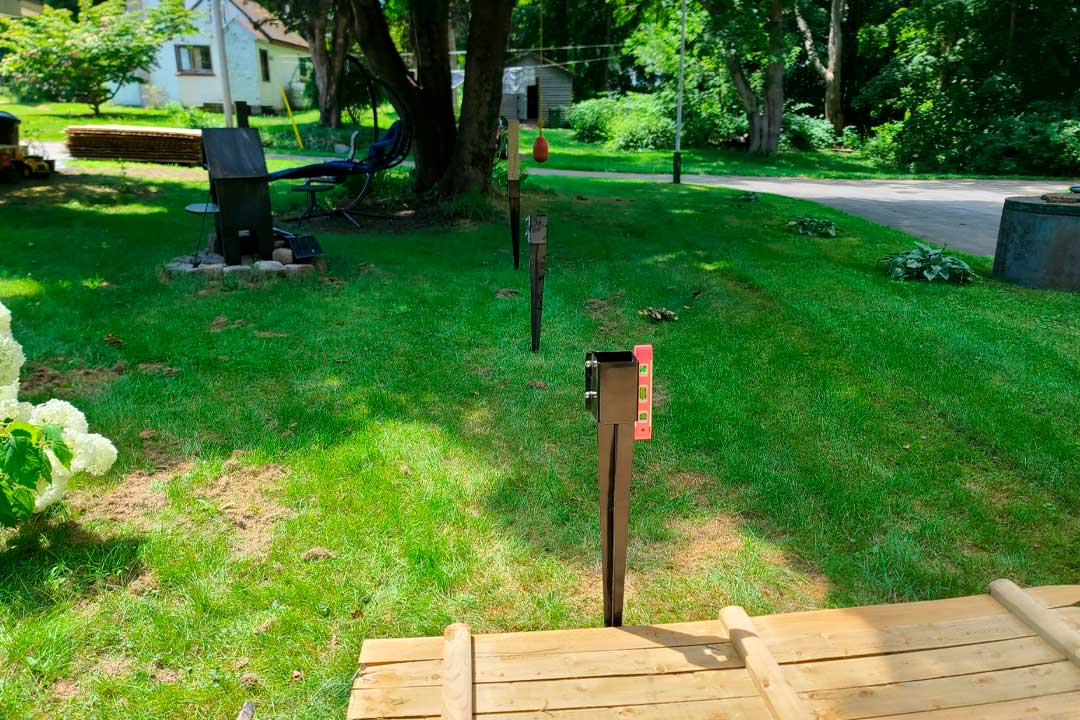
Even the right fence height won’t perform well if the fence isn’t built correctly. Large dogs can lean, run along the perimeter, or push against panels, so the structure needs to be solid from the ground up. Here is what Fence Works focuses on:
- Proper Post Depth: Fence posts need to be set deep enough to support the full structure. Posts that are properly anchored in concrete help prevent leaning, shifting, or loose sections over time.
- Concrete Curing Time: Allowing concrete to fully cure before building the fence panels creates a stronger foundation. It’s a slower process, but it helps ensure the fence stays stable and long-lasting.
- Measured Layout: Careful measurements and consistent spacing keep panels aligned and secure. A properly laid-out fence reduces weak points that determined dogs might try to exploit.
- Secure Gates: Gates should match the fence in height and strength. A well-installed gate with a reliable latch helps prevent gaps or misalignment that could become an escape point.
When these details are handled the right way, the result is a fence that stays sturdy, reliable, and ready to contain even large, energetic dogs.
Practical Ways to Prevent Dogs from Jumping the Fence
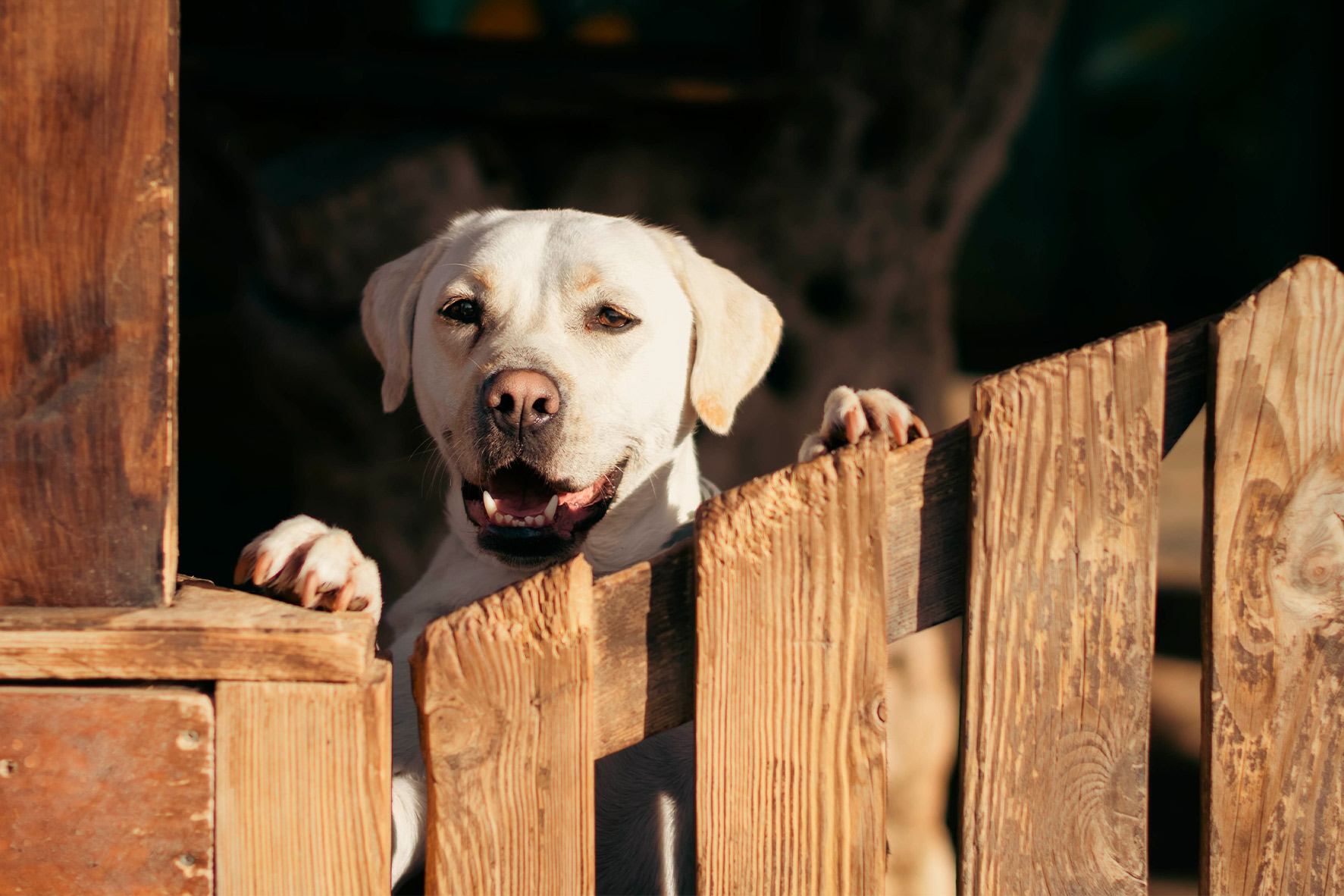
Even with the right fence height, some dogs will still test the boundary. High-energy breeds, curious dogs, or dogs that see constant activity outside the yard may eventually try to jump. The good news is that a few simple design choices can make jumping much less likely.
1. Keep the Fence Line Clear
Dogs often use nearby objects to help them jump. A grill, storage box, stacked firewood, or even outdoor furniture can become a launching point if it sits too close to the fence.
Keeping a clear space along the fence line removes those easy stepping points. When dogs can’t gain extra height from nearby objects, most won’t attempt the jump in the first place.
2. Reduce Outside Distractions
Dogs are much more likely to jump when something interesting is happening outside the yard. A passing dog, a squirrel running along the fence, or frequent pedestrian traffic can all trigger curiosity. In yards where this happens often, privacy fencing or partial visual barriers can make a big difference.
When dogs aren’t constantly watching movement outside the fence, they tend to settle down and stay focused on their own space.
3. Consider Fence Extensions if Needed
If a dog proves to be a determined jumper, homeowners sometimes add height without replacing the entire fence. Lattice toppers or angled extensions can increase the overall height while maintaining the look of the original fence.
These additions change the angle at the top of the fence, which makes it much harder for dogs to clear.
4. Make Sure the Fence is Solid and Well-Built
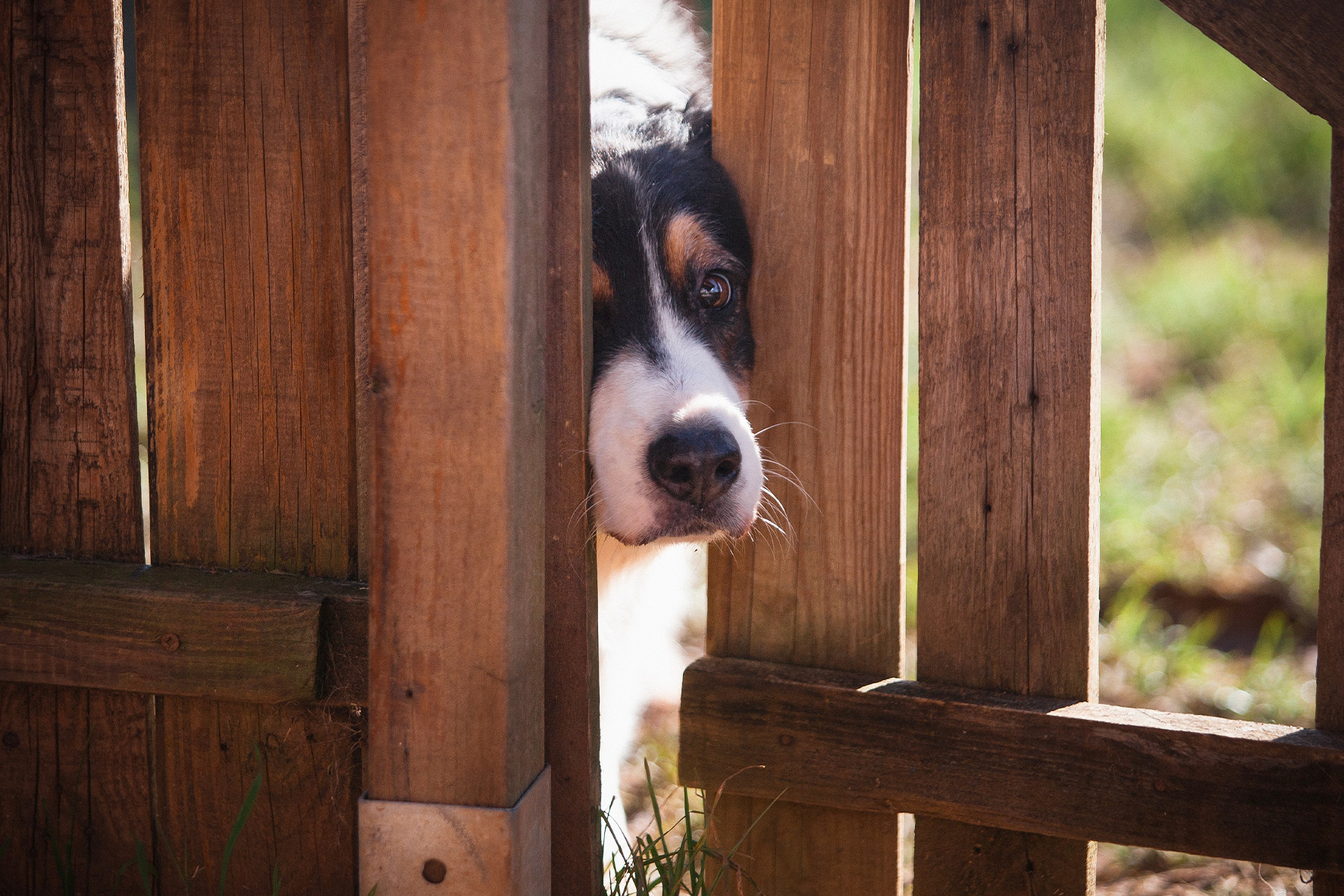
Dogs don’t always jump straight over a fence. Sometimes they test weak spots first. Loose panels, shallow posts, or sections that flex under pressure can encourage dogs to keep pushing until they find a way through. A properly installed fence prevents that from happening.
Posts set at the right depth and allowed to cure fully create a structure that stays strong even when large dogs run along the perimeter or lean against it. When a fence feels solid and secure, most dogs quickly learn that the boundary isn’t worth testing.
Is a 6-Foot Fence Tall Enough for Large Dogs?
For many homeowners, the six-foot fence has become the standard for containing large dogs. In most situations, that height provides a strong balance between safety, neighborhood guidelines, and overall yard appearance.
For breeds like Labrador Retrievers, Golden Retrievers, Boxers, and many mixed large breeds, a 6-foot fence is typically more than enough. It creates a boundary that discourages casual jumping and gives dogs plenty of room to enjoy the yard without constantly testing the perimeter.
However, there are a few situations where homeowners may want to consider going taller.
Dogs with strong jumping ability, such as Huskies, German Shepherds, and Belgian Malinois, can sometimes clear shorter fences if they’re motivated enough. Highly energetic dogs or dogs that regularly react to outside distractions may also be more likely to test a fence height.
In those cases, homeowners sometimes choose a 6½- or 7-foot fence, or they add a small extension to increase the height at the top. Even a modest increase can make a fence much harder for a dog to clear.
Yard layout also matters. If your yard backs up to a busy sidewalk, park, or another dog-heavy area, extra height or a privacy-style fence can help reduce the temptation to jump.
That said, height alone isn’t the only factor that keeps a yard secure. A fence also needs to be properly built. Posts must be set deep enough, panels secured correctly, and gates installed so there are no gaps or weak points.
When the structure is solid and the height is appropriate for the dog, most homeowners find that their dogs quickly learn the boundary and stop testing it.
Frequently Asked Questions About Fences for Large Dogs
1. What is the best fence height for a large dog?
For most large dog breeds, a 6-foot fence is the safest and most common choice. This height discourages jumping and provides reliable containment for breeds like Labradors, German Shepherds, and Boxers. Highly athletic dogs may require fencing closer to 6½ to 7 feet to prevent escape attempts.
2. Is a 5-foot fence tall enough for a large dog?
A 5-foot fence can work for some large dogs, particularly calmer breeds that are not strong jumpers. However, many active or athletic dogs can clear this height if they are motivated. Homeowners who want added security often choose a 6-foot fence instead.
3. What type of fence is best for large dogs?
The best fences for large dogs are sturdy, properly installed, and difficult to climb. Wood privacy fences and vinyl panel fences are popular because they provide solid barriers that reduce outside distractions. Metal fencing can also work when picket spacing is narrow and the structure is reinforced.
4. Can large dogs jump a 6-foot fence?
Most large dogs cannot easily jump a 6-foot fence, especially when the fence has a smooth surface without footholds. However, highly athletic breeds or dogs with strong motivation may still attempt it. In those cases, homeowners sometimes add fence extensions or visual barriers.
5. What fence height is recommended for German Shepherds or Huskies?
German Shepherds, Huskies, and Belgian Malinois typically require at least a 6-foot fence. Some homeowners choose taller fencing or extensions to reduce the chance of successful jumps.
6. Should fence posts be deeper for large dogs?
Yes. Large dogs can put significant pressure on a fence by leaning, running along the perimeter, or pushing against panels. Proper post depth and secure concrete footing help ensure the fence stays stable and durable over time.
7. Can dogs dig under fences?
Some dogs will try to dig if they’re bored or determined to escape. Preventing this usually involves proper fence installation, tight ground clearance, and reinforced areas near gates or corners where digging is more likely.
Get a Fence That’s Built Right for Your Dog with Fence Works
A large dog needs a fence that’s solid, properly sized, and built to hold up over time. Getting the height, layout, and materials right from the start prevents problems later and gives your dog a yard they can safely enjoy.
At Fence Works, our crew takes a careful approach to every project. Posts are set at the proper depth, concrete is given time to cure, and the fence is built in stages so the structure stays sturdy and dependable. It’s not rushed, and it’s done the right way the first time.
If you’re planning a fence for your yard, you can start by using our online fence Design and Estimate tool to map your property and get a quick ballpark estimate. It’s a straightforward way to begin planning a fence that keeps your dog secure and your yard looking great.