
Do I Need a Fence Permit in NC?
Installing a fence can feel like a simple upgrade. Mark the line, pick your material, and start building. In North Carolina, though, there’s an important first step that often gets overlooked: understanding whether you need a permit.
This guide breaks down fence permit NC requirements so you can plan your project with confidence, avoid delays, and protect your investment.
Why Fence Permits Matter in North Carolina
A fence permit makes sure your project is built on solid ground, both legally and structurally. It confirms that your fence meets local zoning rules, stays within your property lines, and follows safety standards that protect your home and the surrounding area.
In North Carolina, where regulations vary from one city to the next, permits also act as a checkpoint. They ensure your plans are reviewed before construction begins, so issues like incorrect placement, excessive height, or restricted materials are caught early before they turn into costly fixes.
Skipping this step can lead to more than just paperwork problems. Homeowners may face fines, be required to move or remove the fence, or deal with delays when selling their property. Even a well-built fence can become a liability if it wasn’t approved properly.
There’s also a long-term benefit that’s easy to overlook. A permitted fence is documented, which helps with future repairs, property improvements, and resale. It shows that the work was done responsibly and in line with local requirements.
Do You Always Need a Fence Permit in NC?
North Carolina does not enforce a single statewide rule for fences. Instead, permit requirements are handled at the local level, meaning your city or county sets the standards.
When a Permit is Typically Required
A permit is usually necessary when you are installing a brand-new fence, replacing a significant portion of an existing one, or making changes that affect height, material, or placement.
When a Permit May Not Be Required
In some areas, minor repairs or standard backyard fences within height limits may not require a permit. However, this varies widely. What’s allowed in one town may not be allowed in another just a few miles away.
The safest approach is simple: verify before you build.
Understanding Fence Height Limits in NC
Front yard fences are usually limited to around four feet. This keeps sightlines open and maintains a consistent look across neighborhoods. It also plays a role in pedestrians and traffic safety.
Back and side yard fences typically allow more flexibility, with limits commonly ranging from six to eight feet. These areas are designed for privacy, so taller fences are generally acceptable within reason.
Zoning Rules: The Local Layer You Can’t Skip

While permits tell you if you can build, zoning determines what you’re allowed to build and where it can go on your property.
Setbacks, Easements, and Buildable Space
Setback requirements often mean your fence cannot sit directly on a sidewalk, road edge, or utility corridor. In some cases, you’ll need to leave a few feet of space between your fence and these areas to maintain safe access and visibility.
Utility easements are another critical detail. Even if the land is technically yours, easements give utility companies access for maintenance. Building a fence over these areas can lead to removal if access is needed later.
Special Zoning Conditions to Watch For
Some properties come with additional zoning considerations that can affect your fence plans.
Homes on corner lots, for example, must follow visibility rules that prevent fences from blocking sightlines at intersections. This often means reduced height or adjusted placement near the corner.
If your home is in a historic district, there may be design requirements to ensure your fence matches the character of the neighborhood. This can include restrictions on materials, height, and overall appearance.
Why Zoning is Where Projects Get Delayed
Most fence project delays happen at the zoning stage, not because the rules are complicated, but because they weren’t checked early enough.
The most reliable way to move forward is to confirm zoning details before finalizing your fence design. A quick check with your local planning department can clarify:
-
What’s allowed in your specific zoning district
-
Whether your layout meets setback requirements
-
If there are any special conditions tied to your property
HOA Rules: Often Stricter Than the City

HOAs are focused on maintaining a consistent look and feel across the neighborhood. Because of that, they often go beyond basic city requirements. It’s common to see rules that limit fence height, restrict certain materials, or require specific styles and colors that match surrounding homes.
For example, an HOA may allow only wood or vinyl fencing, prohibit chain link entirely, or require a uniform height across all properties. Some communities also restrict where fences can be installed, especially in front yards or highly visible areas.
Placement Rules and Property Lines
Where you place your fence is just as important as how you build it. Even a well-built, durable fence can become a problem if it’s installed in the wrong location. Placement rules are designed to prevent disputes, protect public access, and ensure long-term usability of your property.
Property Line Accuracy
Most municipalities require fences to be installed fully within your property boundaries. This is why a current survey is often part of the permit process. It provides a clear, legally recognized reference for where your fence can go.
Relying on old markers, assumptions, or neighboring fences can lead to mistakes. Even a small encroachment onto a neighbor’s property can result in disputes, formal complaints, or required relocation. In some cases, you may have to remove and reinstall sections of the fence entirely.
Setbacks and Public Space
Fences usually cannot be placed right up against sidewalks, roads, or certain shared areas. Local codes often require a setback: a small buffer space between your fence and public or utility zones.
These setbacks serve a few important purposes. They allow safe pedestrian movement, ensure access for maintenance crews, and prevent interference with underground or overhead utilities. Utility easements are especially important to watch for. Even though they may run through your property, they must remain accessible, and fences built over them may need to be removed if work is required.
Corner Lot Visibility
Homes located on corner lots have additional placement considerations. Local regulations typically require a “clear view” area near intersections so drivers and pedestrians can see each other without obstruction.
This often means fences near the corner must be shorter or set farther back from the intersection. In many cases, height limits in these zones drop to around three feet, even if the rest of your fence is taller.
Gates, Access, and Practical Layout
Beyond basic placement, it’s also important to think about how the fence will function day to day. Gate placement should allow easy access for people, equipment, and maintenance without interfering with setbacks or public space.
A well-planned layout considers:
-
Smooth entry and exit points
-
Clearance for landscaping or future repairs
-
Alignment that follows the natural shape of the property
Fence Works takes time to plan these details to ensure that your fence is not only compliant but also easy to use, maintain, and live with over the long term. Check some of our works here.
Fence Permit NC Requirements at a Glance
Requirement Area
Typical Rule in NC
Why It Matters
Permit Trigger
New build, major replacement, tall fence
Ensures code compliance
Front Yard Height
~4 feet
Maintains visibility and streetscape
Backyard Height
6–8 feet
Privacy without safety risks
Property Line Setback
2–5 feet (varies)
Prevents disputes and encroachment
Materials
No barbed/electric; limits on chain link
Safety and neighborhood standards
HOA Approval
Often required
Can override city allowances
Corner Lots
Lower height near intersections
Protects driver visibility
The Fence Permit Process in NC

Preparing Your Documents
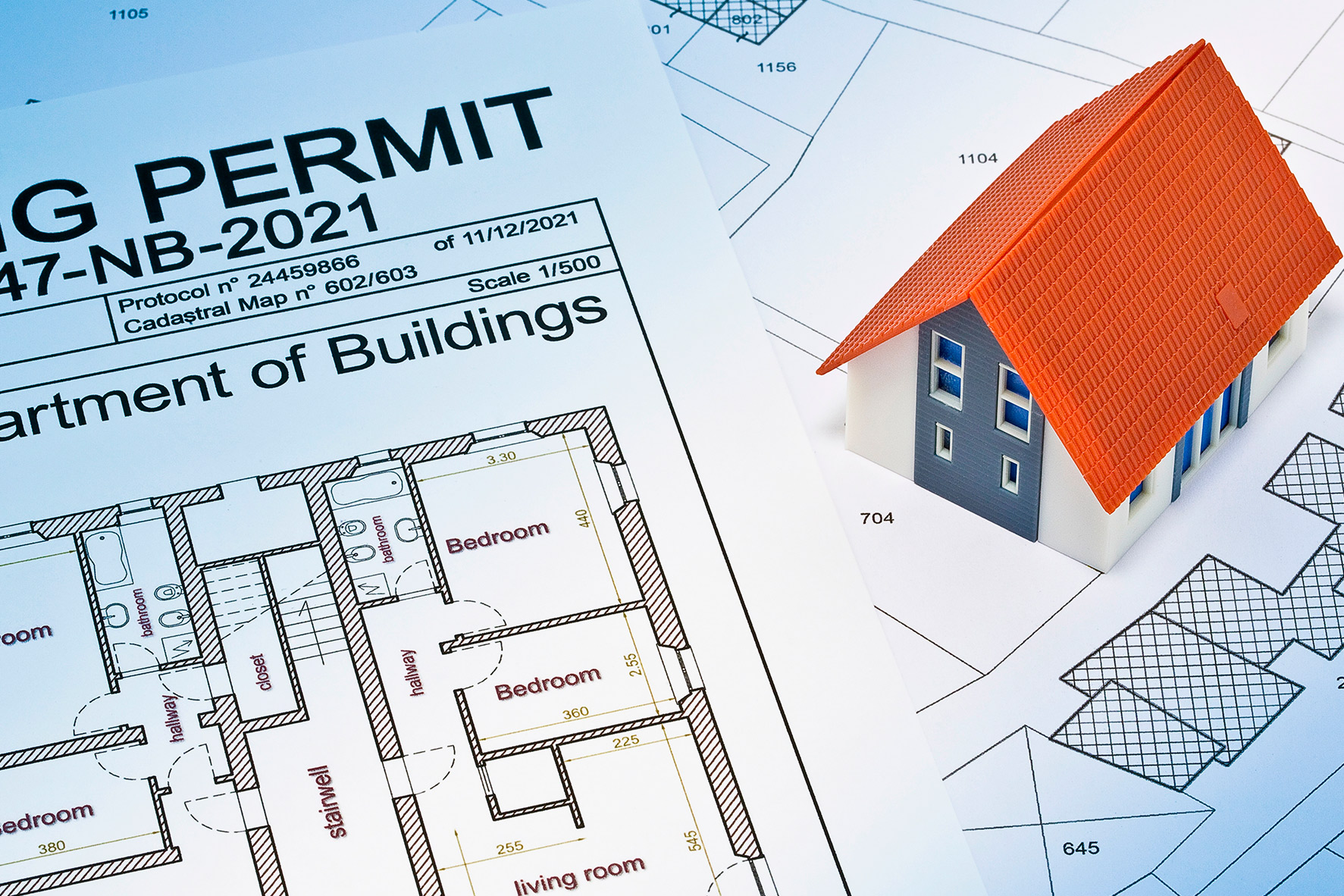
Most applications require a property survey, a site plan showing fence placement, and details about materials and height. Clear, accurate documentation helps reviewers approve your application faster.
Submitting the Application
Depending on your municipality, you may apply online or in person. Fees vary but are typically modest compared to the overall project cost.
Review and Approval
Review times are often around one to two weeks. If additional information is needed, responding quickly helps keep your timeline on track. Once approved, you’re ready to move forward with confidence.
Preparing Your Site the Right Way
Before installation begins, proper site preparation sets the tone for the entire project. A fence that’s carefully planned and installed on a well-prepared site will be more stable, longer lasting, and far less likely to run into issues later.
Locating Underground Utilities
One of the most important first steps is calling 811 to have underground utilities marked. This free service identifies the location of gas, electric, water, and communication lines before any digging begins.
Clearing and Preparing the Fence Line
A clean, open fence line makes a noticeable difference in how smoothly the installation goes. Removing brush, roots, rocks, and debris allows posts to be set at the correct depth and alignment without obstruction.
Confirming Layout and Measurements
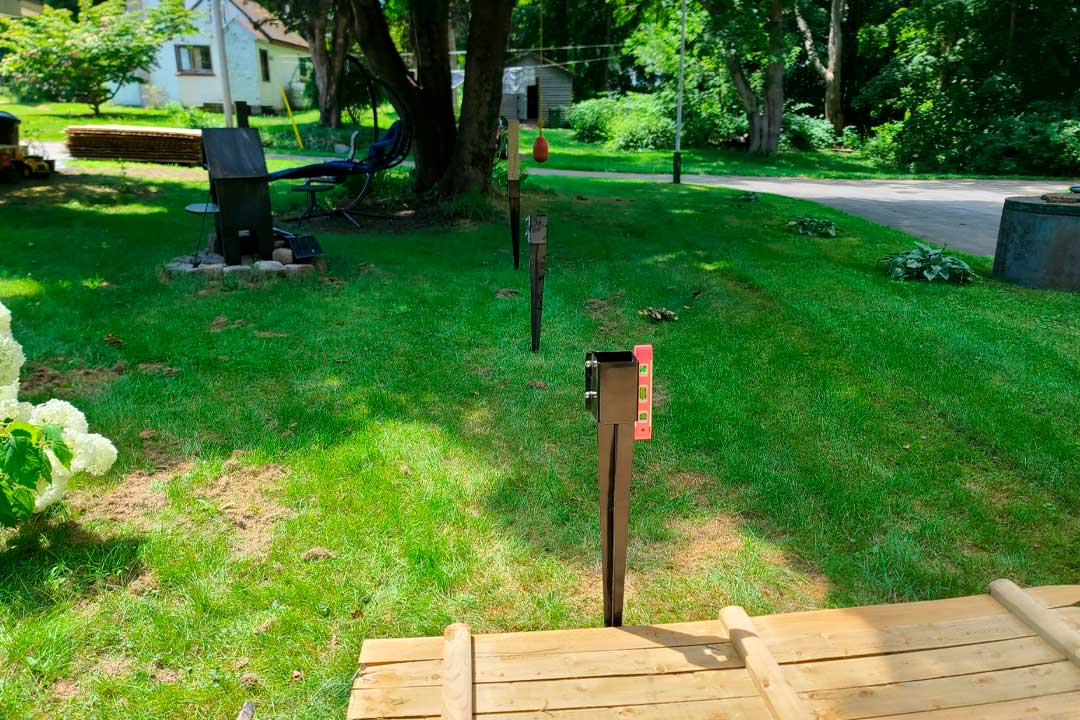
Before any digging begins, the fence layout should be clearly marked using stakes and string lines. This step helps verify that the fence follows property boundaries, respects setbacks, and aligns with your design plan.
It’s also the best time to double-check gate locations, transitions between sections, and how the fence interacts with existing structures like driveways, patios, or landscaping.
Planning for Drainage and Soil Conditions
North Carolina properties can vary widely in soil type and grading, which makes drainage an important consideration. Areas where water collects can weaken posts over time, especially if they are not properly set and reinforced.
Planning for drainage may involve slight grading adjustments or choosing installation methods that improve stability in softer soil. Proper post depth and allowing concrete to cure fully are key to ensuring the fence remains sturdy through seasonal changes and heavy weather.
Access for Installation and Equipment
It’s also important to think about how crews and materials will access the site. Narrow pathways, landscaping features, or obstacles can affect how efficiently the work can be completed.
Creating clear access points helps the installation move in phases without unnecessary delays. It also reduces the risk of damage to surrounding areas, keeping the job site clean and controlled throughout the process.
Protecting Your Property During the Process
Good preparation includes protecting what’s already there. Identifying sprinkler systems, garden beds, and hardscape features ahead of time helps prevent accidental damage during digging and installation.
What Happens If You Build Without a Permit?
Skipping the permit process can seem like a way to move faster, but in most cases, it creates more problems than it solves. What starts as a simple shortcut can quickly turn into delays, added costs, and avoidable stress.
Financial Consequences That Add Up
Most North Carolina municipalities issue fines for unpermitted construction, and those fines can increase over time if the issue isn’t corrected. What may begin as a small penalty can grow into a larger expense, especially if enforcement continues over several days or weeks.
Required Changes or Full Removal
If a fence is built without approval, the city has the authority to step in at any stage of the project, even after it’s fully completed. You may be required to stop work, make modifications, or remove the fence entirely.
This often means paying twice: once for the original installation and again to correct or rebuild it to meet code. Even a well-built fence may need to be taken down if it doesn’t meet zoning or placement requirements.
Delays During Property Sales
Unpermitted work can create complications when it’s time to sell your home. Buyers, inspectors, and lenders often look for documentation showing that improvements were completed in compliance with local regulations.
If a fence doesn’t have proper approval, it may need to be addressed before closing. That can delay the sale, lead to renegotiations, or require last-minute fixes under tight timelines.
Neighbor Disputes and Complaints
Fences sit right on the edge of shared space, so they naturally involve your neighbors. If a fence is built without proper approval, it increases the chances of disagreements over property lines, height, or appearance.
A neighbor complaint is one of the most common ways unpermitted work comes to a city’s attention. From there, the issue can escalate into formal enforcement or even legal action, which adds time, cost, and tension that could have been avoided.
The Bigger Picture: Avoiding Rework
The most important thing to understand is that building without a permit doesn’t just risk penalties. It risks redoing the entire project.
Permits exist to catch issues early, when they’re easy and inexpensive to fix. Skipping that step pushes those corrections to the end of the process, when they’re far more disruptive.
Start Your Fence Project with a Clear Plan with Fence Works
At Fence Works, the goal is simple: build fences the right way while making the process easy to understand and easy to follow.
With an experienced crew, clear communication, and a focus on the right fencing material and proper installation methods, every project is approached with long-term value in mind. Posts are set and allowed to cure properly before building begins. Layouts are measured carefully. Work is done in phases, not rushed, so the final result is sturdy, clean-lined, and built to last. Check our offered solutions here.
Homeowners also benefit from a straightforward process, including fast estimates and a tech-forward design tool, Design and Estimate tool, that lets you plan your fence with clarity before construction begins.
If you’re thinking about installing a fence in North Carolina, the next step is simple: start with a plan that’s clear, code-compliant, and built for peace of mind. Contact us today to learn more.