top of page

Essential Guide to Pool Safety Fencing

  • Keith Frost
  • Feb 12
  • 8 min read
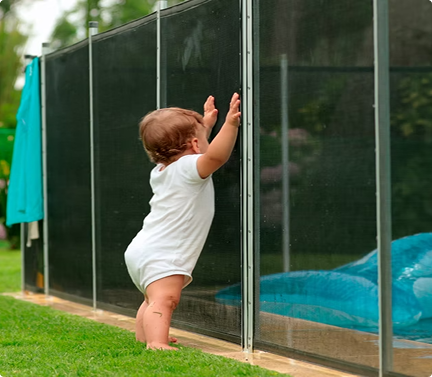
A young child stretching towards a pool fence, highlighting the need for effective pool safety measures.

A swimming pool should add comfort and enjoyment to your home. It should not add worry. Pool safety fencing is one of the most reliable ways to protect children, guests, and pets while also meeting local code requirements.


This guide explains what pool safety fencing does, why it matters, how regulations work, which materials hold up best, and what to expect from a proper installation. The goal is simple. Help homeowners make informed decisions that lead to long term safety and peace of mind before they search for ‘pool fence installation near me.


Why Pool Safety Fencing Matters


Pools are inviting, especially to children. That is also what makes them risky. Drowning is one of the leading causes of unintentional death for young children, especially those under 5 years old.


According to the U.S. Consumer Product Safety Commission (CPSC), between 2019 and 2021 there were an average of about 358 pool- or spa-related fatal drownings per year among children younger than 15. Three out of every four of those victims were under age 5. When the location was known, about 80 percent of these fatal drownings happened at a residential pool like the ones many families have in their backyard.


Most drownings happen quickly and quietly. In many cases, a child was last seen safe just minutes before the incident. Barriers like properly installed fences give families more time and distance to prevent these tragedies.


Decades of research show that pool fencing itself makes a difference. A major review of international studies found that pools with a fence that fully surrounds the water and isolates the pool from the house were associated with a roughly 73% reduction in the risk of drowning or near-drowning compared with unfenced pools. When compared to lesser fencing (like just around a yard), complete isolation fencing had an even stronger effect on reducing risk.


Beyond safety, a pool fence also:


  • Reduces homeowner liability

  • Helps meet insurance requirements

  • Keeps pets out of the pool area

  • Creates clear boundaries for guests


A fence installation does not replace supervision, but it does provide an extra layer of protection that works all day, every day.


Pool Safety Fence Installation Regulations and Code Requirements

Stylish villa with a pool and patio, illustrating key aspects of pool safety fencing for homeowners.

Pool fencing rules protect lives and help homeowners meet legal and insurance expectations. In Texas, regulations come from state health and safety law and local code requirements. While exact rules vary by city and county, these principles are widely accepted and often enforced.


State law requires pool yards to be fully enclosed by a durable barrier that cannot be easily climbed. The fence or wall must be uninterrupted and designed so that objects like planters, poles, or tree limbs cannot be used by a child to climb over it. Tree limbs and nearby objects must be trimmed back so they cannot be used as footholds. Smooth surfaces without handholds or indentations help keep the barrier effective.


For most residential pools not covered under specific institutional codes, the commonly referenced minimum standard is a barrier at least 48 inches tall measured from the outside ground level. Openings in or under the fence must be small enough that a sphere 4 inches in diameter cannot pass through, and horizontal and vertical members should be arranged so the fence cannot be easily climbed.


Local ordinances may go further. Some cities adopt standards that reflect the International Swimming Pool and Spa Code (ISPSC) or local amendments, which also include outward-opening, self-closing, self-latching gates with latch hardware placed out of reach of young children. Typical guidance from pool barrier standards suggests gate latches be at least 54 inches above grade so children cannot easily reach them.


Other Texas regulations for licensed operations or residential care settings set additional requirements like six-foot barriers and locks that are always engaged when the pool is not in use. These rules reinforce that a strong physical barrier is central to safety, not just convenience.


This means:


  • Fence height: Most residential codes reference 48 inches minimum, but local rules can require taller barriers.

  • Openings and climb resistance: Spaces in or under the fence that allow a 4-inch sphere to pass through are usually not allowed.

  • Gates: Gates must close and latch on their own, open away from the pool, and have hardware positioned so children cannot easily reach it.

  • Nearby objects: Landscape features or structures within climbing distance can weaken a barrier and should be planned out.


Some cities require taller fences or additional safety features. Permits and inspections are often required before a pool can be used.


Types of Pool Safety Fencing Materials


The right pool fence balances safety, durability, appearance, and maintenance. Below are the most common options homeowners consider.

Material

Durability

Maintenance

Visibility

Best For

Aluminum

High

Low

Medium

Long term, low maintenance safety

Wrought Iron

Very High

Low to Medium

Medium

Strength and classic style

Vinyl

High

Low

Low

Privacy with easy upkeep

Mesh

Medium

Medium

High

Families with young children

Glass

High

Medium to High

Very High

Modern designs and clear views

Wood

Medium

High

Low

Privacy-focused yards

Aluminum Pool Fencing

Aluminum is one of the most popular choices for pool safety fencing. It is durable, rust-resistant, and performs well in heat and humidity. Aluminum fences are clean-lined, easy to maintain, and designed to meet code when installed correctly.


Wrought Iron Pool Fencing


Wrought iron offers strength and a classic appearance. It is solid, well-built, and ideal for homeowners who want a permanent, secure barrier. Proper coating and professional installation are key to long-term performance.


Vinyl Pool Fencing


Vinyl fencing provides privacy and a finished look without the upkeep of wood. It does not rot or warp and only needs occasional cleaning. Vinyl is a practical choice for families who want low maintenance and a consistent appearance.


Mesh Pool Fencing


Mesh fencing is commonly used by families with young children. It offers visibility and can be removed when needed. Proper tension, secure anchoring, and professional installation are essential for safety.


Glass Pool Fencing


Glass fencing delivers clear sightlines and a modern look. Panels are made from tempered safety glass and must be installed by experienced professionals. Glass requires more frequent cleaning, but works well for contemporary pool designs.


Wood Pool Fencing


Wood offers privacy and a natural look but requires more maintenance around pools. Moisture and chemicals can shorten its lifespan if it is not regularly sealed and inspected.


Pool Fencing Installation Features That Make a Difference

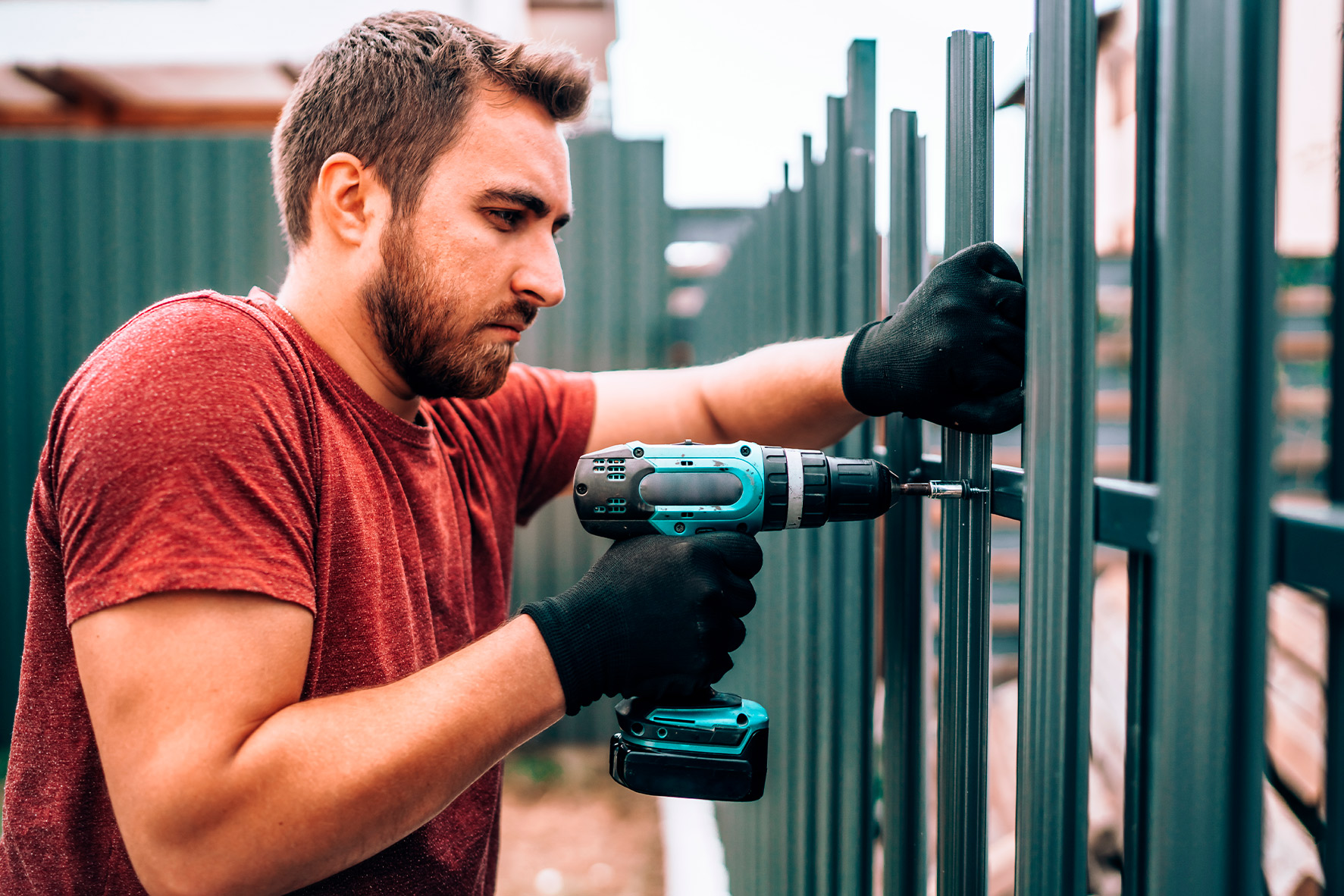
A man repairs a fence with a hammer, emphasizing the importance of safety in pool fencing.

A pool fence is only effective if the details are done right. The most important safety features include:


  • Self-closing gates that return to a closed position every time: These gates use spring-loaded hinges so they close on their own after someone walks through. This prevents gates from being accidentally left open.

  • Self-latching hardware that secures automatically: A self-latching gate locks into place as soon as it closes. There is no step to remember, which removes one of the most common safety failures.

  • Outward opening gates that resist pressure from inside the pool area: Gates that swing away from the pool are harder for a child to push open if they are leaning or pressing against them from the pool side.

  • Vertical pickets with no climb points or footholds: Vertical designs limit handholds and footholds, making it difficult for children to climb over the fence.

  • Secure latch placement that children cannot reach: Latches are installed high enough and positioned correctly so small children cannot reach over, under, or through the gate to open it.


Optional additions like gate alarms can help, but they never replace a properly built physical barrier.


Installation Standards That Matter


Pool fencing should never be rushed. A proper installation focuses on long-term stability, consistent performance, and safety that holds up over time. The way a fence is installed matters just as much as the materials used.


Every project should begin with a measured layout. Accurate spacing between posts and panels helps prevent weak points and uneven sections that can shift over time. Careful planning also ensures the fence fully encloses the pool area without gaps or access points that could be missed.


Posts must be set to the proper depth and secured correctly. This is what gives the fence its strength. Shallow or poorly set posts can loosen, lean, or fail under pressure. Concrete should be poured and given enough time to cure before any panels or gates are installed. Allowing concrete to set properly is critical for long term stability, especially in areas that see heat, rain, and soil movement.


Gates require special attention. They should be adjusted carefully so they swing freely, close on their own, and latch securely every time. Self-closing and self-latching features need to be tested repeatedly during installation to confirm they work from any open position.


A final walkthrough ties everything together. Each section of fence and every gate should be inspected to confirm that the fence feels solid, operates smoothly, and meets safety requirements. When installation is done right, the fence closes cleanly, stands firm, and continues to protect through daily use and severe weather.


Maintenance and Ongoing Care


Even a well built fence needs routine checks. Regular maintenance helps catch small issues before they become safety problems.


Homeowners should:


  • Inspect the fence and gates monthly during swim season: Regular inspections help catch loose panels, shifting posts, or hardware issues early, before they turn into safety risks.

  • Test self-closing and latching hardware: Gates should close and latch on their own every time. Testing them regularly ensures the fence works even when someone forgets to double-check the gate.

  • Clean materials to prevent corrosion or buildup: Pool chemicals, dirt, and moisture can wear down fence materials over time. Routine cleaning helps extend the life of the fence and keeps it working as intended.

  • Keep furniture and landscaping away from the fence line: Items placed near the fence can create climb points. Maintaining clear space around the fence helps preserve its safety function.


Additional Pool Safety Measures


A pool fence works best as part of a broader safety plan. Other steps to consider include:


Safety Covers

Safety rated pool covers add an extra physical barrier when the pool is not in use. Unlike lightweight covers designed only to keep debris out, safety covers are built to support weight and fully block access to the water. When used correctly, they help prevent accidental entry and reduce risk during off hours or cooler months.


Door and Window Alarms

For homes where doors or windows lead directly to the pool area, alarms provide early awareness. These systems alert adults when an access point is opened, giving families more time to respond before someone reaches the pool. Alarms work best as a supplement, not a replacement, for physical fencing.


Clear Pool Rules

Simple, clearly communicated pool rules help set expectations for guests and family members. Rules around supervision, safe behavior, and pool access are especially important when children are present. Consistency makes these rules easier to follow and reinforces safer habits.


Active Adult Supervision

Even with fencing and alarms in place, close adult supervision remains critical. Active supervision means staying within reach of young children and avoiding distractions. Many pool incidents happen during brief lapses in attention, which is why supervision should always be treated as a primary safety measure.


Emergency Preparedness

CPR and basic water safety training prepare adults to respond quickly if an emergency occurs. While no one plans for an accident, being prepared can make a meaningful difference. Keeping rescue equipment accessible and knowing how to use it supports faster response when time matters most.


Why Homeowners Choose Fence Works

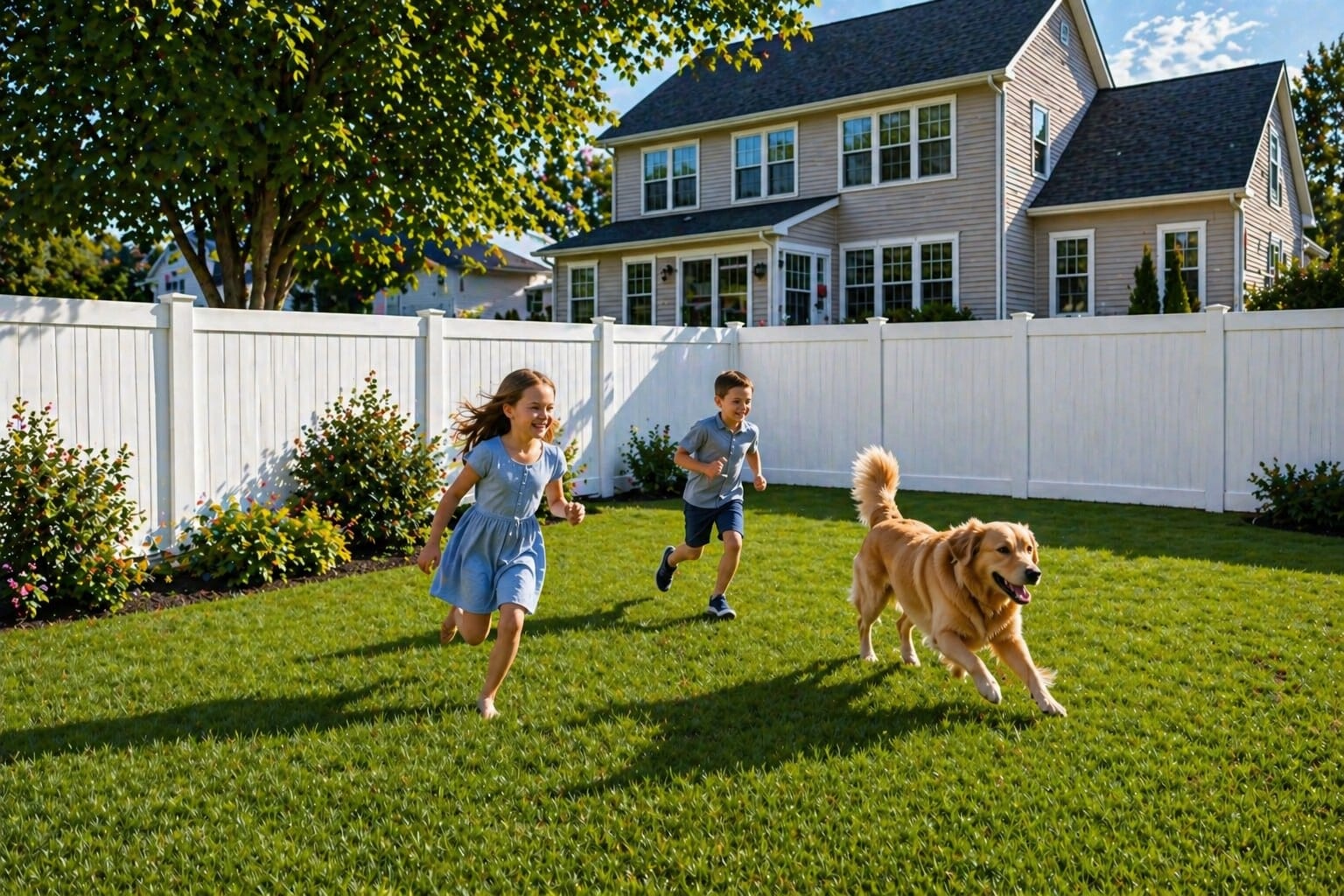
 A young girl next to a pool fence, highlighting essential safety features for preventing accidents around swimming areas.

Fence Works builds pool fences the right way. Posts are set correctly, concrete is allowed to cure, and every project follows a measured, professional process. Our crews respect your property, keep job sites clean, and communicate clearly from estimate to final walkthrough.

With over 20 years of combined experience, a strong reputation, flexible financing options, and a tech-forward design process, Fence Works delivers dependable solutions without pressure or surprises. Check a few of our fencing works here.


Install Your Pool Fence The Right Way With Fence Works


Pool safety fencing works best when it is planned carefully and built the right way from the start. That means understanding local code, choosing materials that hold up, and installing every post and gate with care. Fence Works helps homeowners take a straightforward approach, with clear communication and no surprises.


With over 20 years of combined experience, a BBB 5-star rating, and upcoming AFA membership, our crews are experienced professionals focused on doing the work right. We set posts properly, allow concrete to cure before building, and complete every job with a final walkthrough. The result is a well-built fence that holds up over time, backed by a track record that included zero warranty claims last year.


If you are looking for pool fence installation, the next step is simple. Start with a plan that puts safety, quality, and long-term value first. Contact us today to learn more.

Comments


Fence Works logo - large

Your trusted partner for high-quality, custom fence solutions in Graham, NC, and beyond. Whether you’re enhancing your home’s privacy, securing your business, or adding curb appeal, we deliver expert craftsmanship with a personal touch.

2552 Saxapahaw-Bethlehem, Church Road, Graham, NC 27253

  • Instagram
  • Facebook
5-star rating Google seal
Better Business Bureau logo

© 2025 by Fence Works.

bottom of page